Showing posts with label photos. Show all posts

15 May 2014

Today, I fell through the flotant marsh.

My week of flora fieldwork continued today, with vegetation monitoring along Bayou Segnette in the Jean Lafitte Barataria Preserve (my favorite park I've found).


View Larger Map

 photo DSCF0041_zpsf389846f.jpg

 photo DSCF0043_zps84f7dd81.jpg

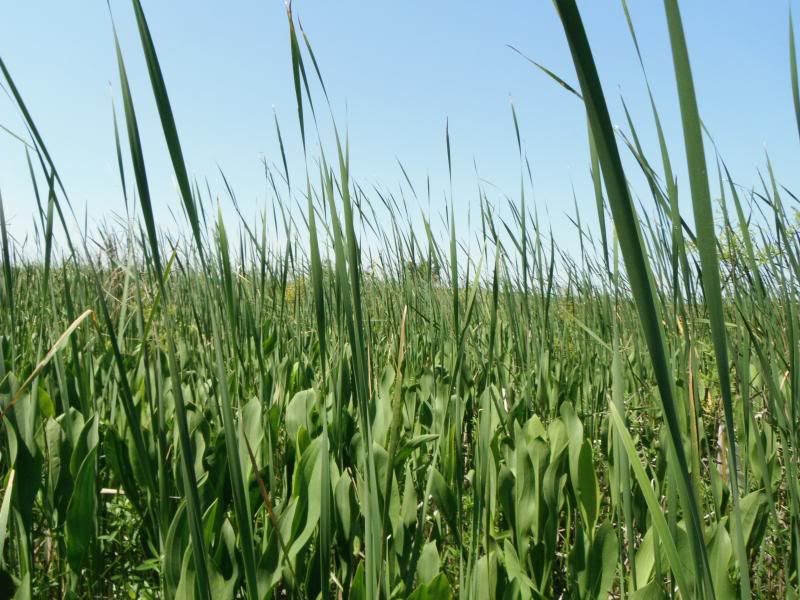
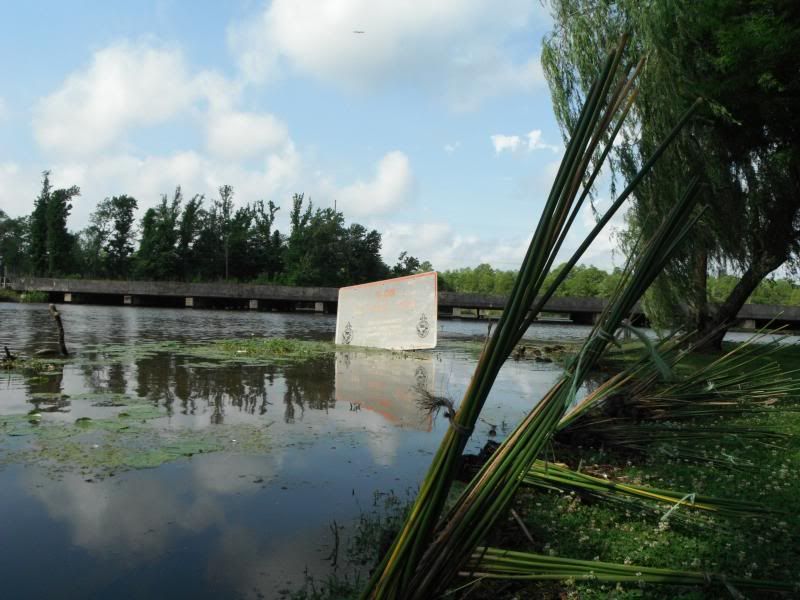
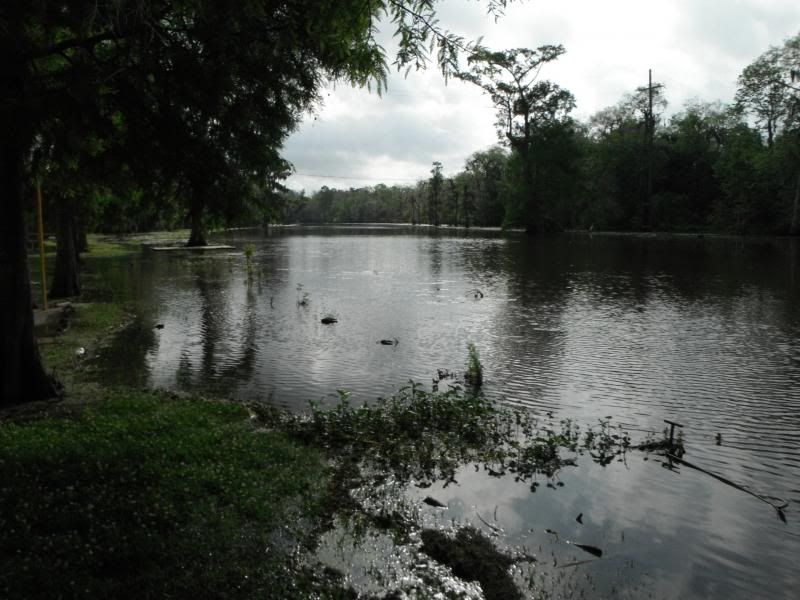
We were measuring bald cypress trees that were planted 1-3 years ago, and assessing their health. For the most part, they're looking good! This involved hiking through a spoil bank (basically the sides of the waterway that are built up with the stuff that gets dredged to keep the waterway clear), which was very dense with brambles and trees, and into the marsh, which had several inches of standing water.

I usually try to find out the landscape before I go out to do fieldwork, so I can make well-informed choices about my footwear. Anyone who knows me at all knows I'm not the kind of person who has a million pairs of shoes, but I do have several kinds of boots and outdoor/work footwear. With me in Louisiana, I have an old pair of awesome trail running shoes that serve as my water planting shoes; I have my yellow knee boots; I have my epic hiking boots; and a pair of cleaner, newer sneakers mostly reserved for doing active things that don't involve the wetlands.

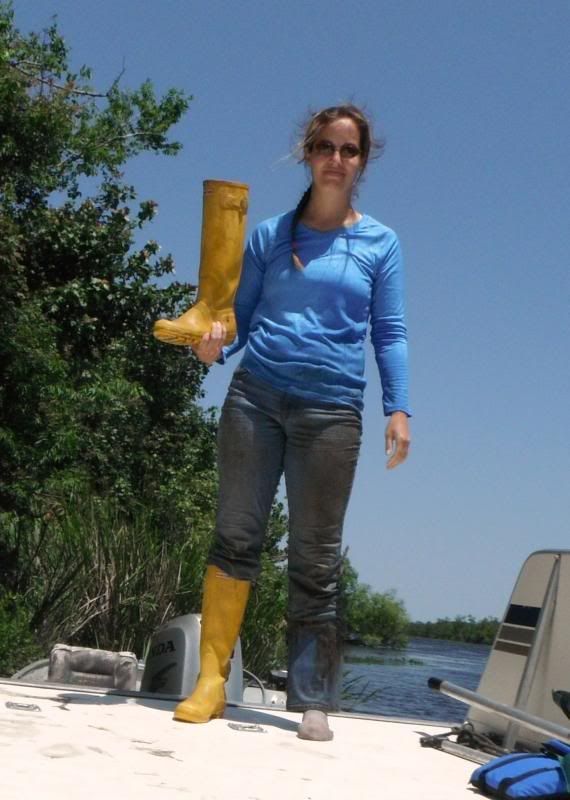
Last time I planted in the Barataria Preserve, the ground was fairly high and dry, but after some thought about the recent rains and high water, I decided on knee boots. I was thankful that I did. Once past the spoil bank, there was several inches of standing water in the marsh.

 photo DSCF0042_zps6018b2da.jpg

Just before lunch, I discovered the hard way that it was a floating marsh, which is called flotant here. How did I discover this, you might ask?

I fell through it.

One misstep, and down I went. I was stuck in the mud up to my chest, with water up to my shoulders. I had an instantaneous moment in which I thought that I should be claustrophobic or scared or something, but it passed immediately and I focused on getting my legs out WITH my boots. I was certain I had lost one, but I managed to get myself and my wellies out. I had noticed all morning that the ground was shaking beneath our feet whenever a big, loud boat went by. I mean, they do call it trembling prairie.

 photo DSCF0048_zps7ec0bb55.jpg

I have entertained the idea of acquiring hip waders for some time, but most of the field work I do here is shallow enough for knee boots or in water so high that hip waders can't help me. I guess today it didn't really matter what footwear I chose anyway.

13 May 2014

Today, I swam through an oil slick.

I'm having a fantastic week. Today was day 2/5 of planting projects. Plants! All week! Doing conservation!

 photo DSCF0010_zps08ee9723.jpg

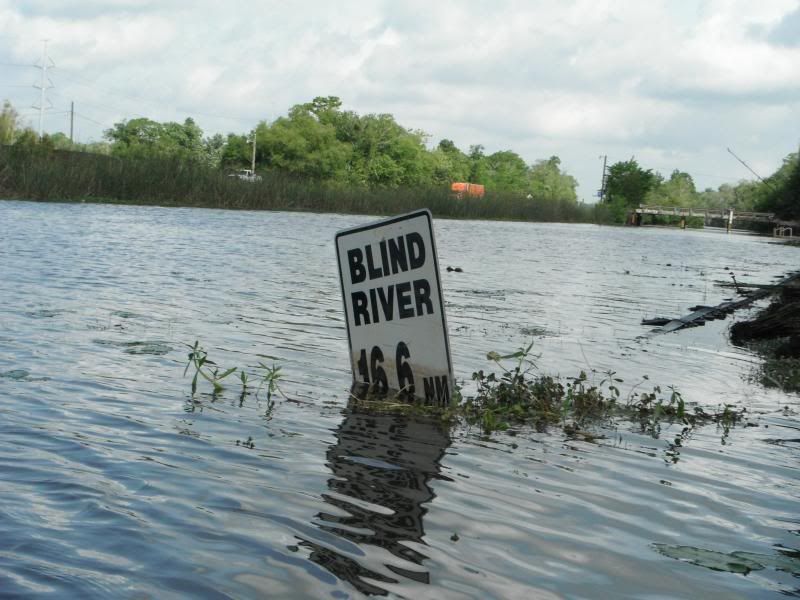
Today's project was putting about 800 gallon buckets of bullrush along the edge of Blind River in St. James Parish. This was to protect a bulkhead from further erosion. I love planting in water! The river was really high because of recent heavy rains and a strong south wind earlier this week, so the banks were flooded. The ground was a mixed bag-- really mucky and easy in some places, really hard and requiring a dibble or sharpshooter in others.

 photo DSCF0008_zps5c7e0f8f.jpg

As we were really struggling to get the rushes to stay. in. the. ground. along this particular area, I imagine we looked pretty funny from shore. We would just stand still in one spot for a while, basically treating the root ball like a pogo stick trying to get it to stay in the thin layer of mucky soil in water that was chin deep. So I'd look around a little bit because I couldn't see what I was doing anyway.

 photo DSCF0011_zps547542df.jpg

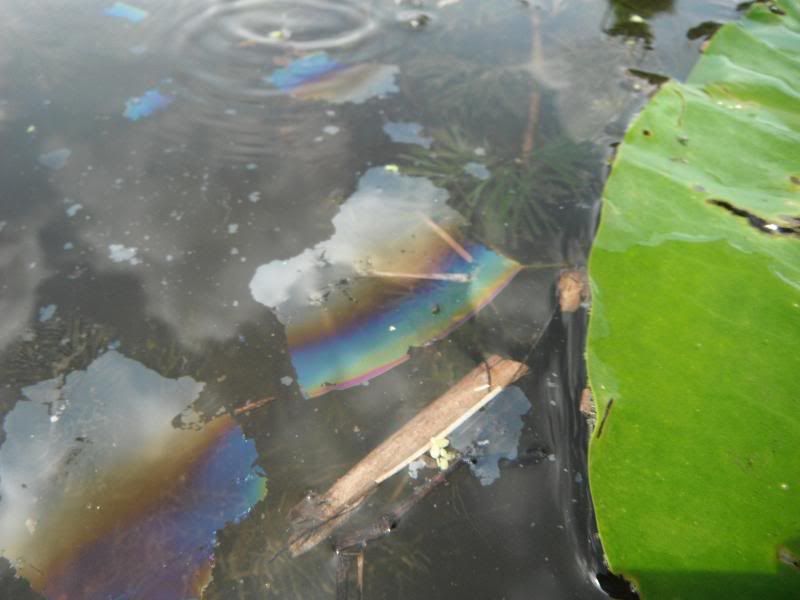
I was startled at one point in this stretch to notice something almost reddish to my right. At first, I thought I was bleeding. I checked my arms to see if I had nicked myself or something, but nothing. It kind of dissipated. I finally got the rush in the ground, and stepped sideways to plant another one, when I noticed I was in a pool of oil, all rainbow and shiny.

 photo DSCF0014_zpscd357867.jpg

As soon as I moved, it began to break up slowly and spread out. It was really bizarre, because I imagine oil and water to look kind of blobby like when you pour vegetable oil into water. I suppose without the limitations of the bowl or measuring cup, the oil spreads out very thinly. The edges looked so strange.

I didn't think much of it at the time, because we still had a bit of work to do and I really enjoy that work. On my drive back to New Orleans, I began to contemplate good and bad things that happened to me during the week, because it's Tuesday-- we have house meetings on Tuesday nights that generally begin with our highs and lows. High: I have five days of planting projects IN A ROW! Low:... wait a second, swimming through oil was messed up. Really messed up.

Full disclosure: I didn't actually say "messed up" in my head.

The more I thought about it, the more angry and sad I got. This is almost definitely not oil from that epic oil spill several years ago that is still producing tar balls and mats down along the Gulf. It's far more likely that this was just a leak from someone's boat, or an example of one of my biggest fears in South Louisiana: some slow leak of an oil pipeline that no one is watching.

Was swimming through oil good for me? Probably not. One of the few things I'm cynical about in this world though is health risks. We risk our lives every day by exposing ourselves to highly processed foods, cell phones, plastics, and sunlight. This alone will not give me cancer.

Just nightmares.

I'm sad that this is the reality of this environment, and so many others. I'm sad that I have to put myself in situations like this, that are questionable to my health, to do some good work. I'm really, really sad and angry and frustrated and helpless about how much we rely on oil and gas in the world. I mean, I'm really guilty (two roadtrips across Canada, a roadtrip around the eastern US, a roadtrip to get to Louisiana, even just driving to the site today was an hour to Thibodaux and another 45 minutes to get to the park where we planted; I've flown once a month every month since December till this month, and will be getting on a plane again next month).

Witnessing human impacts on this planet is exhausting me. It is really hard to convince myself to get up and work when it feels like I'm fighting a losing battle. What's easy here, is to get completely overwhelmed. Things are bad here. Really bad. And not just here.

All I can do is focus on the little things. Like each blade of bullrush now planted along the banks of Blind River. And all of the bitter panicum, phragmites and cordgrass we're putting into the ground on the north shore of Lake Pontchartrain tomorrow, and all of the sand live oaks going in the ground later this week. And all of the people who have listened to me talk about the wetlands here in Louisiana, and here on this blog. Thanks for reading this. Change won't happen all at once, but I can still add a little bit at a time, and so can you.

09 April 2014

taking flight

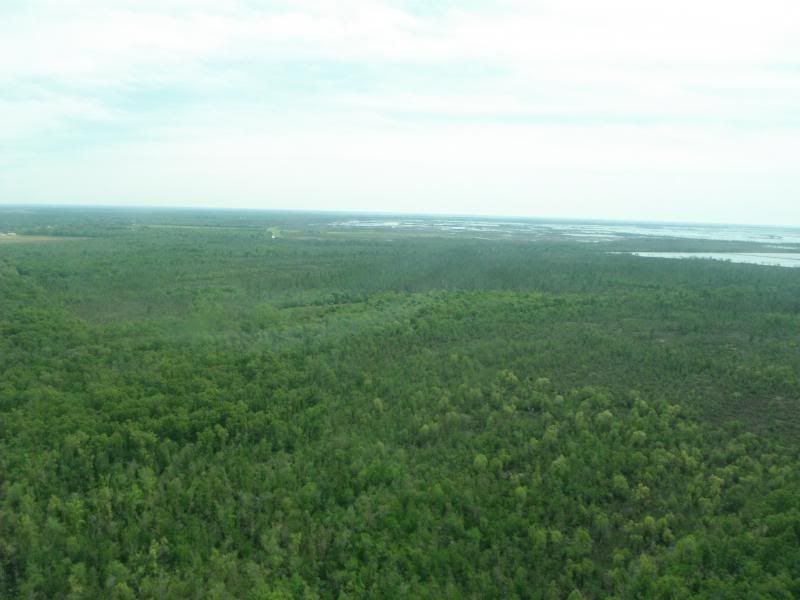
I want to tell you about my flight in a Cessna at the end of March. Bayou Blue hosted a group from the Presbyterian Hunger Program to talk about some of the environmental and food issues faced by South Louisiana. We had a great visit with some really wonderful national staff of PC(USA). They came to my little bayou church, and then we were off to the local airport in Houma for a tour of the wetlands by air.

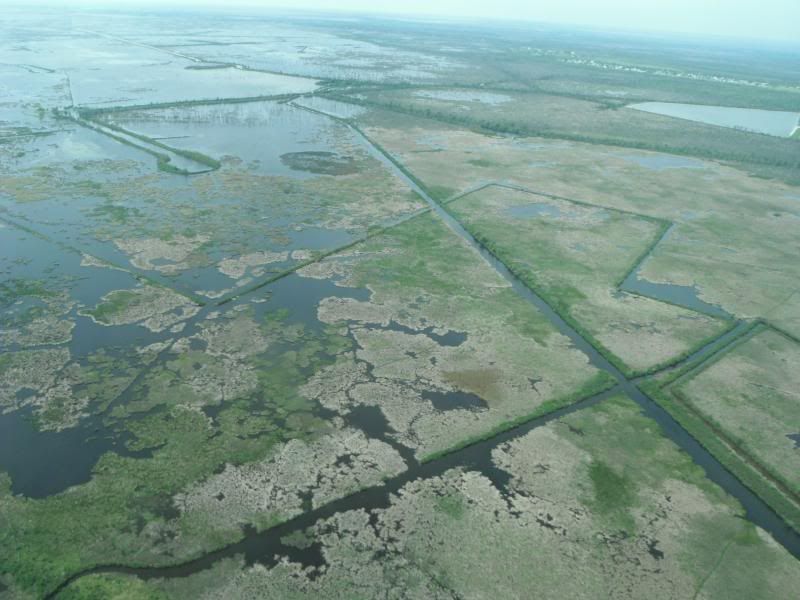
I had never been in a small plane before, much less had I taken an air tour of the disappearing wetlands. It was really difficult to see the coast in such rough shape. During Paddle Bayou Lafourche I learned that coastal erosion has slowed down, but only because the easiest land to erode is already gone.

 photo DSCF9737_zpsb8092559.jpg
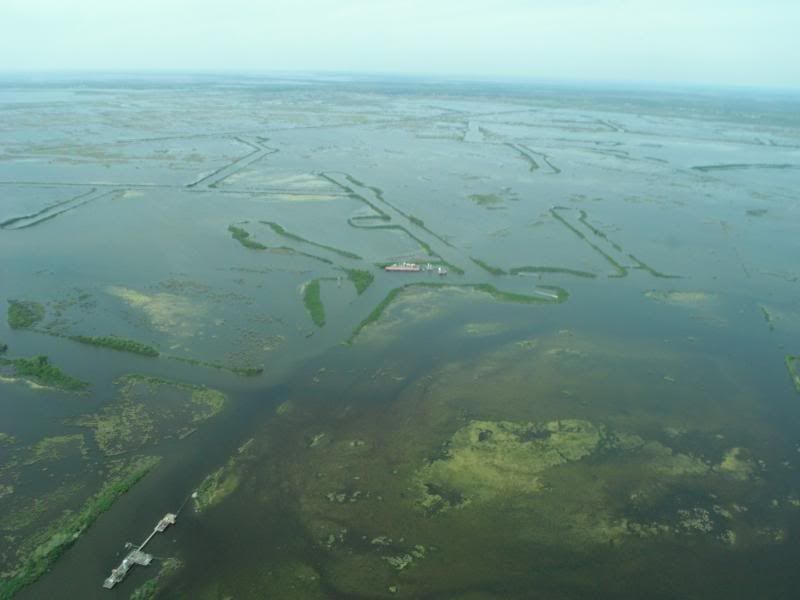
Nature does not make straight lines. Those oil and gas exploration and pipeline canals invite salt water intrusion and quick erosion. Louisiana is terrible at enforcing environmental regulations. The companies are required to fill in or plug those canals when they are done. They don't.

 photo DSCF9740_zps423b58e7.jpg
You can see where the pipelines were, and what it did to the landscape. This used to all be wetlands, not open water. This was really hard to see.

 photo DSCF9763_zpse4bb1d3a.jpg
We passed over some healthy swamp at the end, which was a little bit encouraging, but also really tough to see the incredible contrast between what is thriving and what is gone.

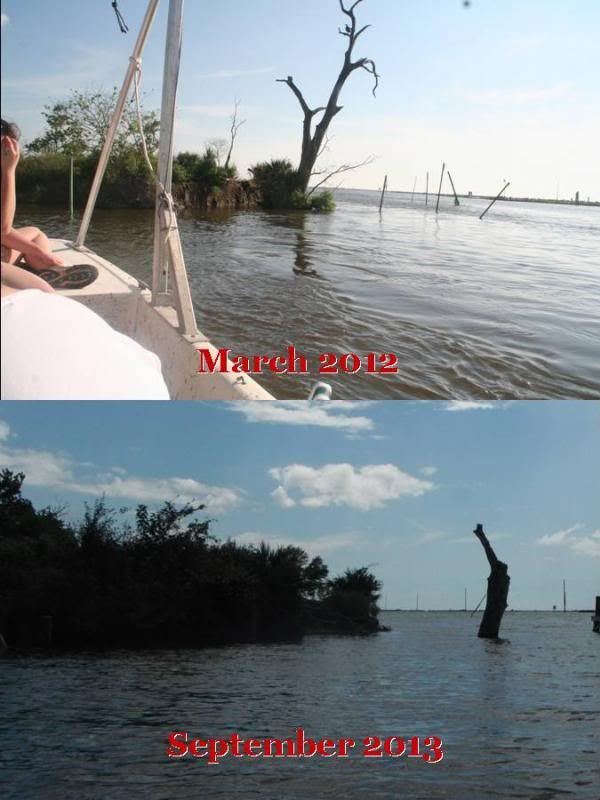
After we were all back on the ground, we traveled to Pointe-au-Chenes to see some of the problems from the water with my favorite wetlands hosts, Donald and Theresa of the Pointe-au-Chien tribe. We went out on their boat, not even too far from the little strip of town that's left. I've been meaning to share these two images with you for a while--


You can see the same tree from slightly different angles, but about a year and a half of erosion completely removed that tree from being on solid land. That's not high tide in the lower picture. That land is gone. It's open water.

Coastal erosion and wetlands degradation is frightening in South Louisiana. I'm really glad that I can be a small part of continuing to share that story.

Click to add title

Click to add description
- See more at: http://smg.photobucket.com/user/fishius25/media/blog/trees_zpsfa924d7d.jpg.html?sort=4&o=13#sthash.lTbQpGM8.dpuf

06 April 2014

Paddle Bayou Lafourche

I just got back from my first overnight canoe trip since 2007. OH MAN IT WAS AWESOME. My friend Lindsey joined me for a really great long weekend on the bayou. We paddled 52 miles over 4 days through people's back yards, enjoying local food, conversation, flora, fauna, and music. 

Paddle Bayou Lafourche is an annual event put on by the Barataria-Terrebonne National Estuary Program, a great organization that I have enjoyed many good resources from this year as I learn and teach about wetlands issues in the region. National Estuary Programs came out of the EPA's Clean Water Act in the late 80s. At home in New Jersey is another one-- Barnegat Bay Partnership.

Thursday, from Donaldsonville to Napoleonville: It was a tough first day. Paddling down the bayou on a windy day is much like paddling in a wind tunnel... in the wrong direction. We faced gusts up to 20mph. I hadn't been in a canoe in almost seven years, so my arms were a bit out of practice to begin with, but this was rough for everyone. We paddled almost 18 miles, about 11.5 of which were before lunch. We felt a little hopeless, but we did it, and enjoyed a good dinner and glorious night of camping at Madewood Plantation.

Friday, Napoleonville to Thibodaux: The wind died down, but the forecast remained questionable. We lucked out with only a little bit of rain on and off as we continued to explore the bayou. We landed at the Jean Lafitte museum in town, having done just shy of 16 miles.

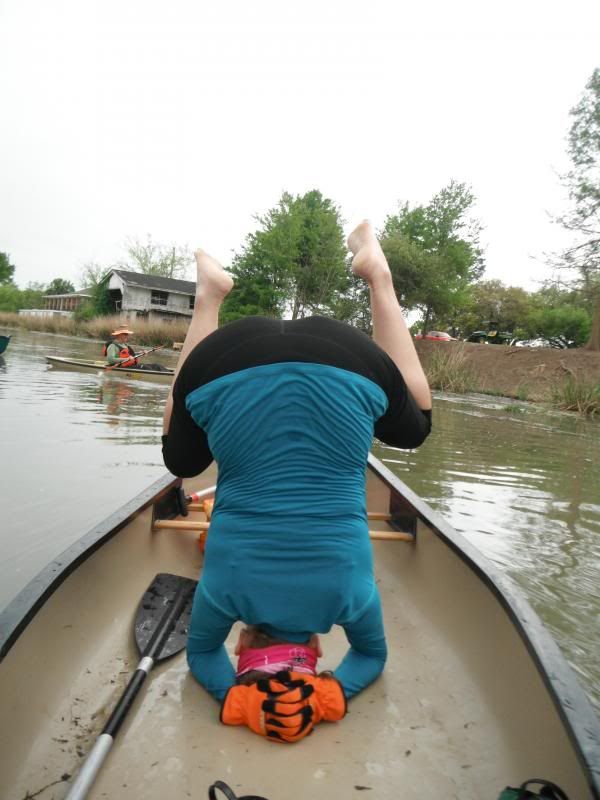
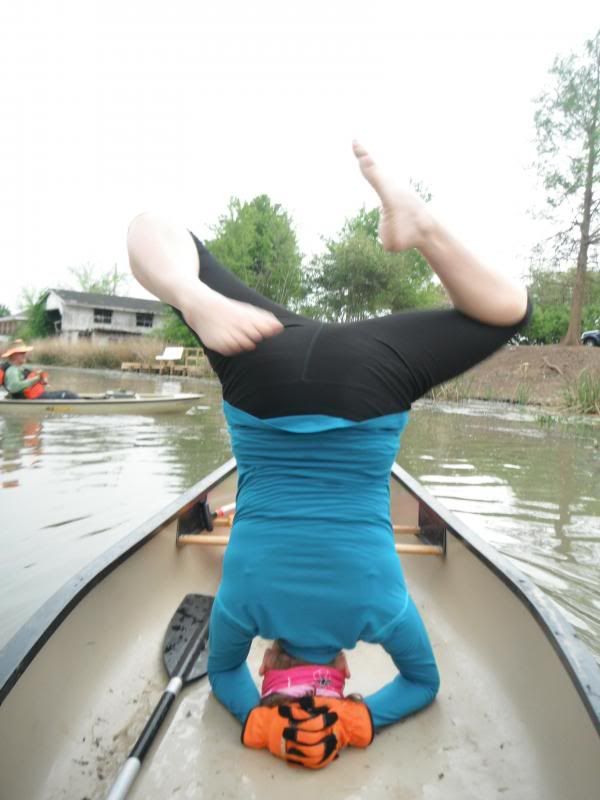
Saturday, Thibodaux to Raceland: We launched from Nicholls State University, just below Jean Lafitte, because there's a weir in the bayou between the two and the BTNEP staff probably didn't want to deal with all of the idiots who would have tried to paddle down it. Lindsey and I finally got into a rhythm, finishing ahead of a lot of people who doubted we would survive the first day. We also finished just a few minutes ahead of torrential downpour and hail. Right before we landed after about 15.5 miles, Lindsey decided to follow through with a wild idea she came up with early in the day-- yoga on the bayou, or "bayoga" as we came to call it. She decided to do a headstand while I balanced the canoe:

 photo DSCF9828_zpsa822146c.jpg

 photo DSCF9829_zps264ee422.jpg

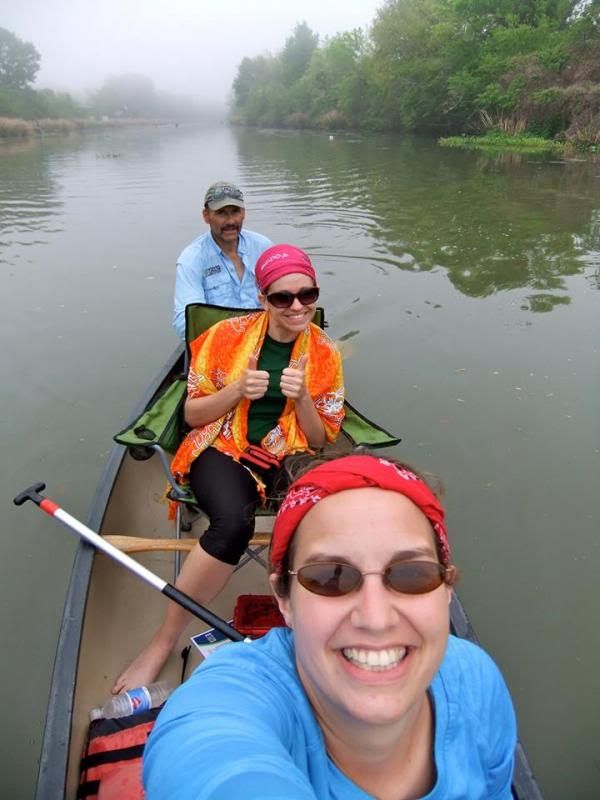
Sunday, Raceland to Lockport: Just a short 5.5 miles to finish up. BTNEP's Water Quality Coordinator, Andrew, was without a paddling partner for the last day and asked to join us. Lindsey enjoyed sitting in a chair in the middle of the canoe asking lots of questions about the bayou. We had paddled beside him and his canoe partner Michael, BTNEP's Invasive Species Coordinator, the three days before, peppering them with questions about soil science and ecology, so it was cool to have him on board answering our environmental questions the entire time without worrying about keeping up with him.

 photo 1794733_10100943266333696_1726868341_n_zps41efdf8c.jpg

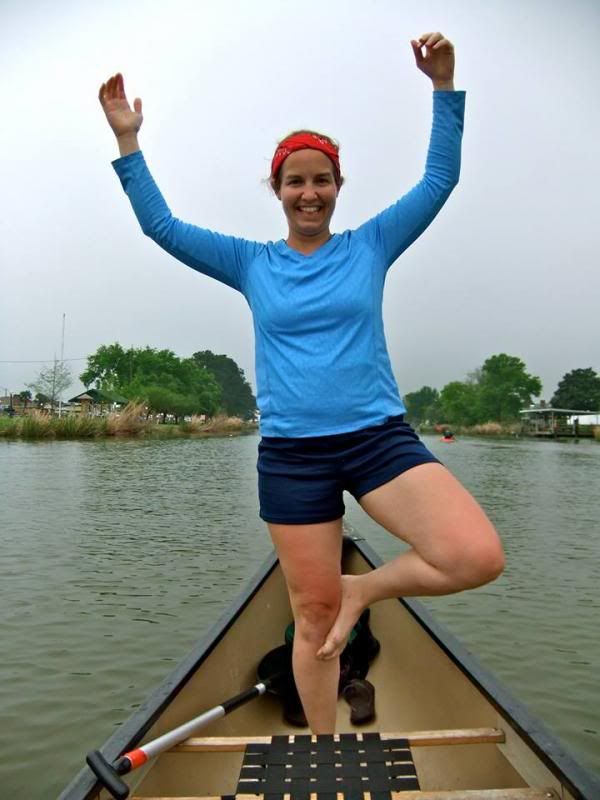
The day started off very foggy, but we once again beat the rain after a late decision to follow through with the final stretch at all. The trip ends in Lockport, because any further south and we'd start running into enormous ships. Just before we landed, I had Andrew balance the canoe while Lindsey took a picture of my bayoga efforts (obviously going for a tree):

 photo 1546037_10100943290694876_1622215352_n_zps353625c6.jpg


It was so nice to go out on an adventure for a few days. This was technically work-related for me, so I did spend some time contemplating Bayou Lafourche, which is the main source of drinking water for the region--
  • A few weeks ago, BTNEP hosted a massive bayou cleanup, which usually involves hundreds of volunteers along 106 miles of Bayou Lafourche (we only paddled 52 miles). They pick up thousands of pieces of garbage ranging from cigarette butts (please please please stop throwing cigarette butts out the windows) to plastic bottles (please please please recycle those and/or stop drinking bottled water when it's totally unnecessary) to tires, toilets, and couches. Full frightening details from last year here. I will say it again: this is the main source of drinking water for the region, for tens of thousands of people.
  • The first day, as we paddled straight into 20mph gusts, it was all too clear a picture of how easily salt water flows back up the bayous in nothing more than a stiff wind. When the wind wasn't blowing, the water was completely slack. No current. Tough to paddle, but also tough for it to remain fresh, flowing off the Mississippi at Donaldsonville.
  • As we paddled under local bridges, cars drove over our heads. Some of the bridges were grates. As I felt the rainwater drip off one onto my legs and head, I shuddered at the thought of leaky cars just letting fluids straight into... the drinking water supply.
  • We wound past countless signs warning of gas and oil pipeline crossings. Again... slow leaks into the drinking water, distinctly possible.
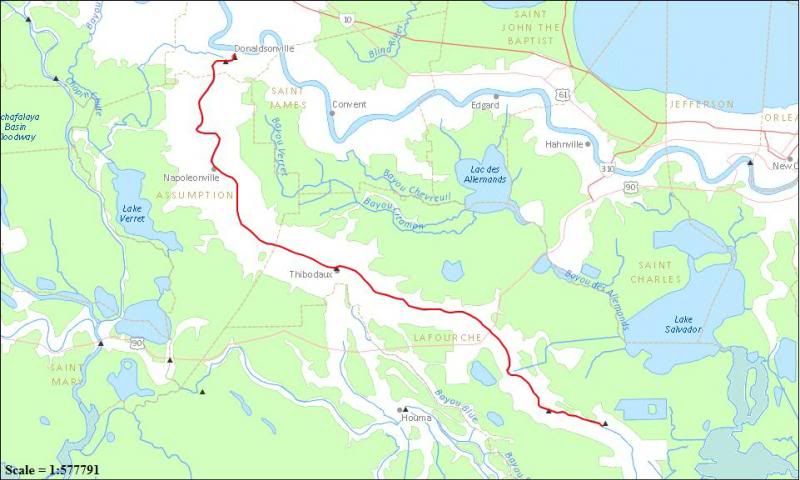
Plus, let's consider the greater watershed with the help of the Department of the Interior's Streamer Tool. Here's the portion of Bayou Lafourche that we paddled:
 photo BayouLafourche_zps0f4d1aeb.jpg

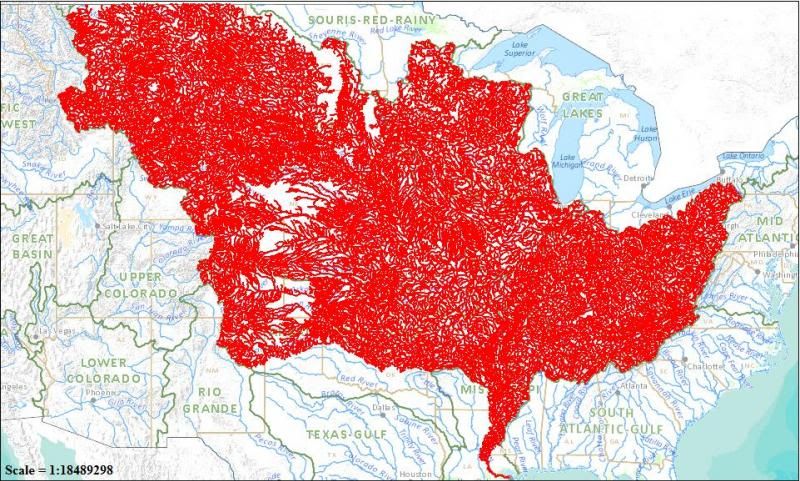
And here is the watershed of the Mississippi River, down to Bayou Lafourche:
 photo BayouLafourcheMississippi_zps472a7696.jpg

That's 31 states, plus two Canadian provinces, full of agricultural runoff, fluids from leaky beat up cars, cigarette butts from careless people, and other awful things.

I would really encourage you to think about your relationship with your home watershed, whatever it may be. Water is so precious.

I did not spend the entire trip having nightmares, but the whole awareness angle that BTNEP is playing by hosting this event on this particular bayou definitely worked. The vast majority of it was relaxing and wonderful. There were at least six different kinds of bread pudding served over the course of the trip. There was a man sitting on his fishing dock playing his accordion for the paddlers. There was bayoga and shenanigans with Lindsey and other people around us. There were blooming black locust trees, and swaying cutgrass, ducks and geese and swallows and red winged blackbirds, and lots of people waving hello and speaking French and smiling and many, many other beautiful things.

16 February 2014

If you go to New Orleans, you ought to go see the Mardi Gras (and the wetlands)


On Saturday, I went to Baton Rouge for a meeting of Together Louisiana, a group of churches and civic organizations taking on all sorts of political issues including Louisiana's absurdly high rate of incarceration, the utter madness of the poorly regulated payday loan industry, health care, higher education, and... wetlands and environmental problems. SO many good conversations to be had about the state of the state of Louisiana. Two of the big ones for me-- a breakout session I attended on the environmental issues (you know, kind of the reason I attended the meeting) and an address from a retired Army general.

General Russel Honoré spoke boldly about leadership and fostering a culture of preparedness, as well as our tolerance of the nonsense going on in our government. Ultimately, he is concerned with all of the shady business of poor leadership allowing for Louisiana's natural resources not to be stolen, but to be given away, leaving the state vulnerable to a host of disasters. The point he made that rang clearest to me: Louisiana is a top oil producing state. Why isn't it a top state for education? or healthcare? Why is it among the lowest ranked states in most every social and economic indicator?

Encouraging: you should have heard the "AMEN"s and "PREACH!"es from the crowd. Discouraging: why is Louisiana so far behind in all of these ways when it's been so far ahead in domestic oil and gas extraction for the past 75+ years?

I'm still pondering this gross disconnect.

The breakout session I attended also impacted me, but additionally had a more fun effect on my weekend. My original plan was to drive to Bayou Blue and stay with my bosses so I wouldn't have to wake up so early on Sunday. However, the Wetlands and the Environment session I attended was lead by John Barry, an author, who in addition to his heavy involvement with the policies and politics of coastal restoration, was also the King of Krewe du Vieux in that evening's Mardi Gras parade in the French Quarter. I knew my housemates were all going. Meeting Mr. Barry motivated me to drive back to New Orleans and go to my first Mardi Gras parade.

His talk was really good for me to hear, because he focused on the more political side of coastal conservation that I have not spent as much time focusing on. Did you know that it is actually written into the oil companies' canal permits that they are required to fill those canals back in after their pipes are laid? There are a ton of studies from reputable sources like the US Geological Survey, the Louisiana Department of Natural Resources, and higher ups who have worked for the oil companies that those canals are the leading cause of coastal erosion. Yet, for all sorts of horrifyingly corrupt reasons, those companies have managed to not follow through with back filling or even plugging the ends of the canals. An area the size of the state of Delaware has been lost in the past 75 years, with more disappearing every hour of every day. Instead of the companies, who have been proven to be directly responsible for this and are even legally required to fix this, the taxpayers get to cover the millions upon millions of dollars being dumped into levee construction and other coastal protections that won't matter if the wetlands are gone.

Trees are beautiful and all, but my job can get pretty depressing.

I spoke with Mr. Barry privately about conservation issues after his talk, and also managed to sneak in a question about how one manages to get the attention of a Mardi Gras King to get him to throw stuff (beads and other trinkets are traditionally thrown from floats in these parades). He suggested I stand close to the street, because he is still recovering from a rotator cuff injury.

So I went back to New Orleans, not because I love crowds and crazy parades, but because I am excited about the carnival season and taking in as much of the tradition and culture as I can while I'm here. My housemates and I caught a bus down to the French Quarter (the street cars weren't running as often) and managed to find a fairly uncrowded section of curb on Royal Street. The Krewe du Vieux is one of the few that runs through the Vieux Carré (another name for the French Quarter, meaning "old square"), and is known for being not family friendly.

The crowd was loud but I hung in there to see the King. Krewes often choose kings or queens who are famous for something, so it was pretty cool to me to see someone recognized for their contributions to the coast. The krewe's website talks about how Mr. Barry has worked hard to raise awareness and take action against the government for allowing such a mess to happen to Louisiana's coast. It also points out how Governor Jindal excused John Barry from his seat on the Flood Protection Authority board.


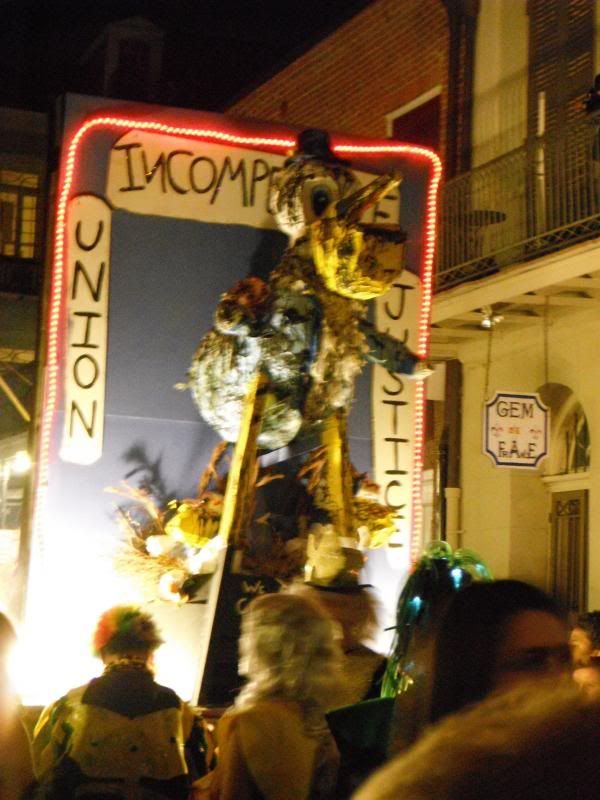
Overall, I'm glad I went to the parade. It was lewd but fun, with amazing brass bands and a lot of clever political statements snuck in, like this float featuring birds covered in oil with words like "incompetence" and "justice" floating around--

 photo DSCF9323_zpse4133eb4.jpg

I loved the music and even managed to score some beads and trinkets (fully clothed, thank you, I'm pretty sure the flashing thing is mostly myth). It was a really cool turnaround to see someone celebrated for standing up for the coast, both at a formal meeting of activists and in a rowdy setting in which the message was probably lost on most people, but not me. When the King rode by, I was too busy yelling stuff about the wetlands to take a picture or catch a trinket-- he was tossing cups. So here is a picture from the Times-Picayune instead!

http://imgick.nola.com/home/nola-media/pgmain/img/tpphotos/photo/2014/02/-fc9046e28047601a.JPG

11 February 2014

Cajun Country

I had an appointment to visit First Presbyterian Church in Lafayette this weekend. Lafayette is a little over two hours from New Orleans and definitely the heart of Cajun Country. I was grateful to have company: my friend Lindsey from the Episcopal service corps in New Orleans volunteered to join me on the adventure that ended up covering about 400 miles.


View Larger Map

Here is the thing about southern/southwestern Louisiana: everything is closed on Sundays. National Parks (there are Jean Lafitte museums in Lafayette and Eunice), antebellum homes, anything touristy, music halls, even the beignet shop someone recommended in Lafayette... there was not much for us to see or do besides drive around and just look. I don't mind people closing up shop and taking a day off, because everyone deserves a break, but I was surprised that so many touristy things do not happen on Sundays, when presumably tourists might be free to come check them out.

West of Lafayette are a lot of rice paddies, which I had never seen before-- at first it just looked like soggy fields until I noticed the berms surrounding them, at which point I realized, rice production! We saw some cattle farms and some oil derricks. 

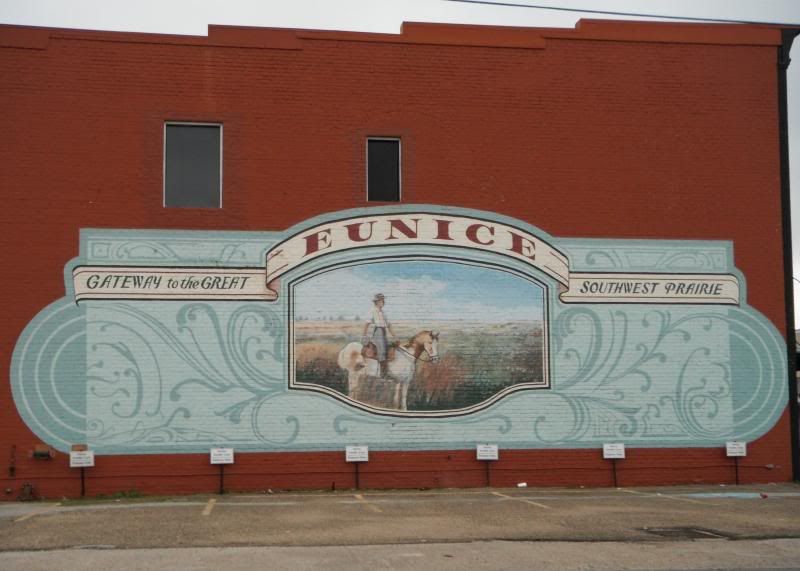
We drove through Eunice, which is the "Gateway to the Great Southwest Prairie" (southwest of Louisiana, that is). 

 photo DSCF9283_zps2025e2f4.jpg 


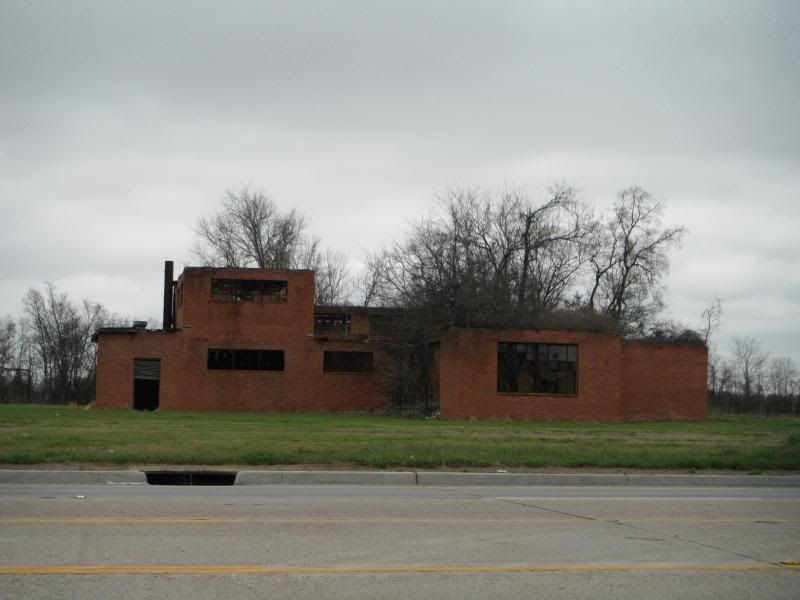
We drove through Opelousas, which is known for the Yambilee Festival (yes, like sweet potatoes, but it was not happening this weekend) and antebellum homes (which were all closed).

 photo DSCF9284_zpscee7122c.jpg
(not an antebellum home)

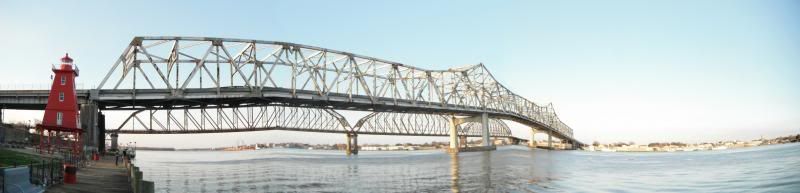
We took a state highway back down through Morgan City and Bayou Blue, a slightly longer but more scenic and less busy way to return to New Orleans. We stopped in Berwick, the town across the Atchafalaya River from Morgan City, to enjoy the lighthouse and riverfront.

 photo DSCF9287_zpsf289ee1a.jpg

It was a long journey but a good day out. We passed through 18 parishes and saw a lot of different environments. The church visit went well too, with a Sunday school lesson on the "web" of creation that involved kids holding different parts of creation (rocks, soil, water, plants, stuffed animals, etc.) and me stringing them all together with a ball of yarn to show how interconnected it all is-- when you hurt one part of creation, it affects the rest, too.

It's fun to think about all of the different ways that the bits and pieces of the world are related too, especially as I drove through so many different parts of Louisiana in one beautiful day with a good friend in the passenger seat.

 photo DSCF9291_zps292e1d6c.jpg
Berwick, Louisiana


03 February 2014

busy weekend

ON FRIDAY, I planted trees for the first time in 2014! It was a cool morning but warmed up nicely, and it was so so wonderful to get outside after a chilly week that included two very cooped up "sneaux days". (Hint: it didn't actually snow.)

The site was as the back of my favorite park that I've found in Louisiana so far, one of the Jean Lafitte National Park sites (there are six in the state), the Barataria Preserve. We took a short boat ride to the site, way at the back of the park. The land is actually owned by the school districts of two parishes, Jefferson and St. Charles. The districts lease the land to hunters to raise money for the schools. We put over 300 bald cypress trees in the ground to help fight the invasive Chinese Tallow tree. After the cypress trees have a while to take hold, a team will go back and kill the tallow trees, which are disrupting the ecosystem there.

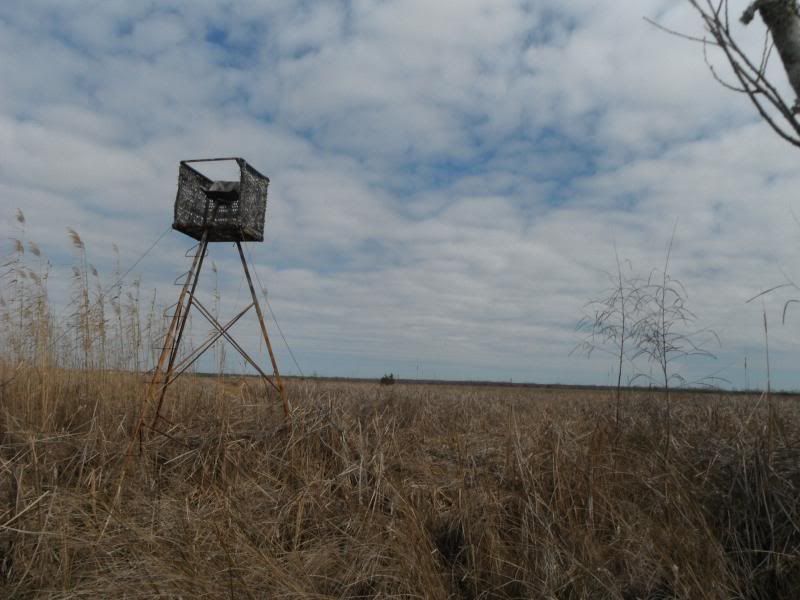
flotat apparently makes for decent hunting grounds photo DSCF9206_zpsa4316a97.jpg
a hunting blind on the flotat; we planted along a ridge between the flotat and the bayou

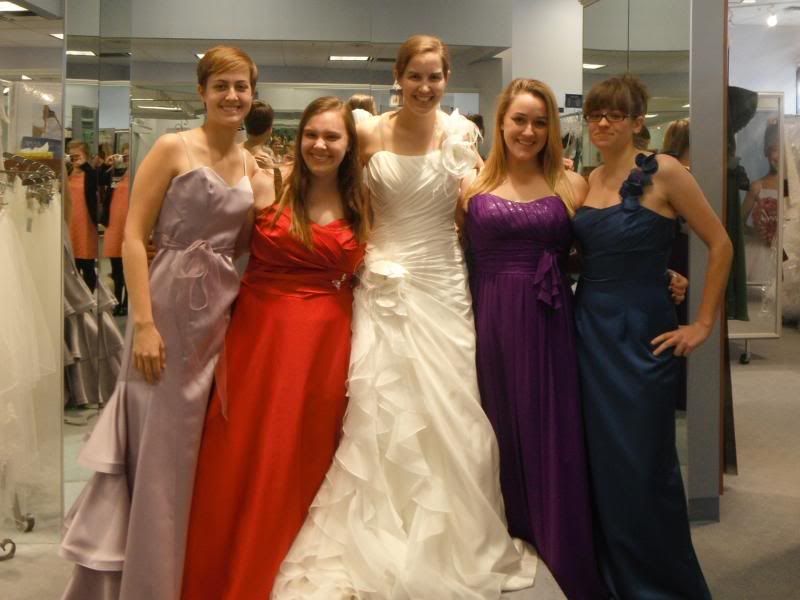
ON SATURDAY, I took a few friends on an adventure to Baton Rouge to try on wedding dresses. There was a store there that also has a branch in New Jersey, which will make it much easier logistically if I found something I liked. Three of my housemates (Anna Leigh, Alyssa and Hannah) and my friend from the Episcopal version of YAV (Lindsey) all came along for the ride, promising snarky and silly commentary and help. I tried on a few ridiculous gowns that are nothing at all like me, just for laughs, but we did eventually narrow it down to a likely contender. Then we all tried on funny dresses just because.

trying on silly dresses photo DSCF9242_zps3bf2313c.jpg
Many thanks to Anna Leigh, Hannah, Alyssa and Lindsey for help and laughter

ON SUNDAY,  I woke up early and traveled to Bayou Blue for church, and then to Morgan City for another church service which I was leading. I preached about environmental justice. It went pretty well. The church has a Confederate fort on its grounds. I explored town a little bit afterward. It was very quiet and empty, and reminded me a lot of different rust belt towns I've visited before. There was a lot of truck traffic, which makes sense for it being a pretty busy port, but hardly anyone else walking or driving down the streets.

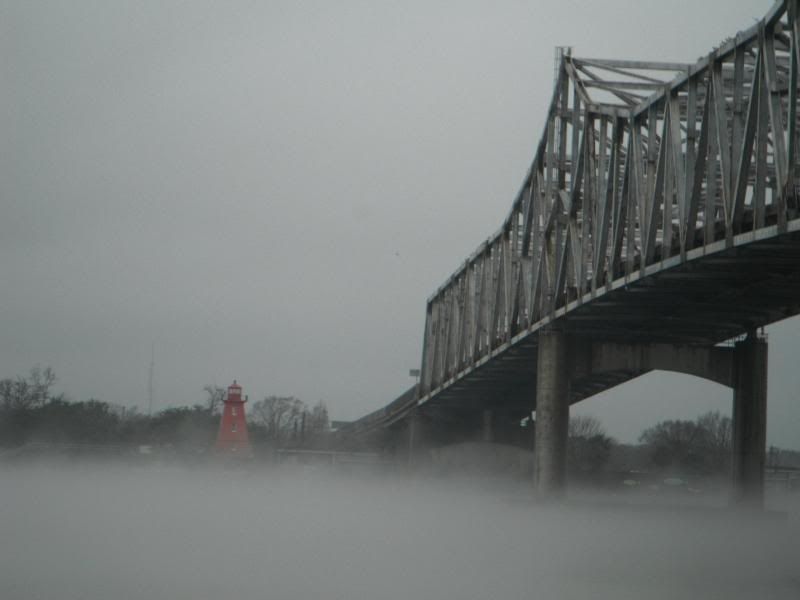
It was a very foggy, humid morning along the Atchafalaya River. My first time seeing it! And the little red lighthouse across the river in Berwick.
foggy morning on the Atchafalaya River photo DSCF9251_zpse4fb2cb0.jpg

27 January 2014

Philadelphia Freedom!

(A few years ago, I went for my evening run. That song came on my ipod, and I got really enthusiastic about it, and totally wiped out, skinning my knees and hands. I still laugh about it, and can barely go to or talk about Philadelphia without adding "freedom" on the end of it.)


I've done some pretty crazy traveling. I've taken a 19 hour direct flight, and lived out of one carry on piece of luggage for two weeks. I once drove from northwestern NJ to Richmond for a day trip (680 mile round trip). I drove 3300 miles in ten days with a team of Europeans, traveling from NJ to visit Memphis and Chicago and everything in between. I drove from New Jersey to Seattle via Canada.

But I had never flown cross country for a single day before.

So when it became feasible to attend my good friend Amanda's bachelorette party in Philly from New Orleans (cheap flight+ savvy planning by her awesome maid of honor), I decided to do it. Not only would it make for a good story, but it would also probably be a really great trip.

I was at Louis Armstrong Airport before 6:00 AM CST on Saturday. Flight boarded on time, but got a late start taking off because it was excessively foggy. Turns out, a lot of flights had been cancelled the day before because it was too cold. They don't have de-icing equipment in New Orleans. As a result, it was a really full flight, which made it really fun when most of us were running late for our connecting flights in Atlanta, especially when one guy about halfway back in the cabin started yelling at everyone to get out of his way because HE had a connecting flight to make.

I had ten minutes to make it across an enormous airport that I'd never been to before. I made it. I ran onto the plane just before the closed the doors.

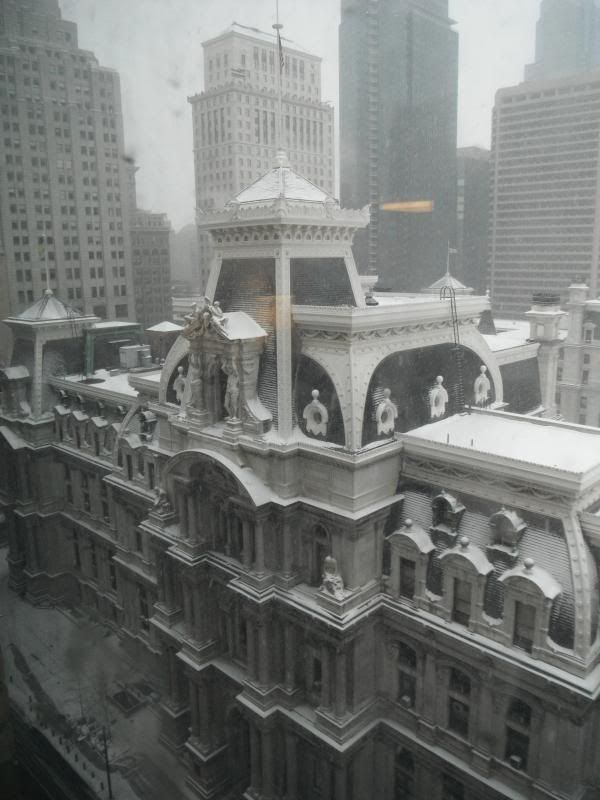
Landed in Philly a little late because it was actively snowing. Still made it to the hotel by 2:00 PM EST using a map I had drawn in my notebook of the few blocks surrounding City Hall. It was really great to catch up with friends while we waited for the bride, who was VERY surprised to see me-- I had told her I was going to be really busy on Saturday morning, but would talk to her in the evening during her party, which wasn't a lie, because I was busy trying to catch flights to Philadelphia.

lovely view of the snow falling at City Hall, Philadelphia photo DSCF9190_zpsf29de335.jpg
We had a great view of the snow falling at City Hall!

We enjoyed dinner at La Viola, a lovely BYOB Italian bistro a short walk from City Hall. Amanda's almost husband has a gluten intolerance of sorts, so we try to pasta her up when we can. We spent the rest of the evening enjoying the lounge and the lanes at Lucky Strike, a bowling alley just a block or two from the hotel. After a while, the game stopped being about getting the most pins, and started being about playing for speed-- who could throw the fastest ball. We had a blast.

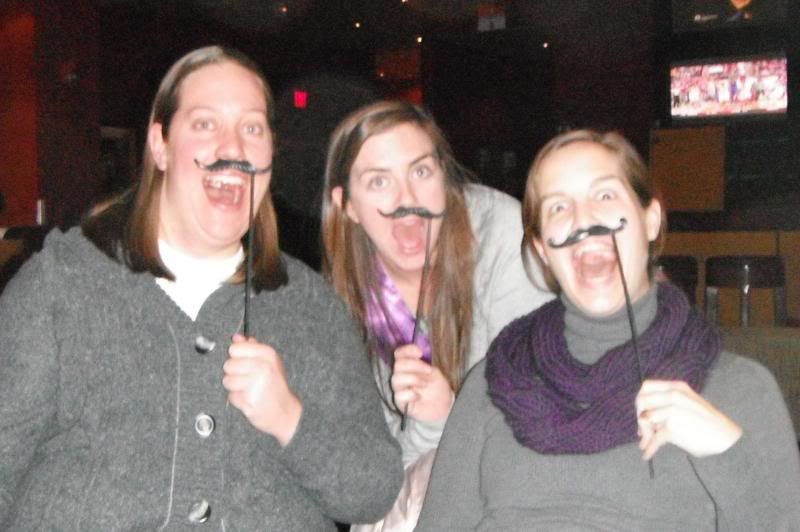
The one in the middle gets married next month! photo DSCF9191_zps350db23f.jpg
Jamie, Amanda and I with silly mustaches. They are also two of my bridesmaids, so I was stoked to see them!

The next morning, those who had spent the night had a full hot brunch in the hotel before taking various trains in different directions. I was exhausted but definitely had a great time seeing some friends and celebrating Amanda in a cool city!

As I waited outside on the platform at 30th Street Station waiting for the Regional Rail back to the airport, enjoying a little fresh, crisp, wintery air, I made two observations:
  • The Saints hat that I was wearing because it was the only one I could find in New Orleans was probably going to get me in trouble after they knocked the Philadelphia Eagles out of the playoffs.
  • I am so privileged that I can enjoy a breath of cold, fresh air before spending a day in airports and on planes. The gentleman asleep under the ratty blanket and pile of cardboard in the stairwell of the SEPTA station was probably not enjoying that same cold air.
Heading back to New Orleans via Atlanta, my layover was a bit longer. There are no real vegetarian options in that airport, which made it feel even longer. And then, after we boarded the plane, it actually got even longer, because a seat light needed to be repaired. I still made it home in New Orleans in time for dinner (thanks for cooking, Alex!).

So now that I have leveled up from "travel enthusiast" to "travel junkie", I'm looking forward to a few day trips to Baton Rouge in the next few weeks, a few days home in February for Amanda's wedding, the adventures that will certainly ensue with Abi visits in March, a conference in D.C. later that month, possibly another conference in Gainesville, FL in May... always on the go, this girl.

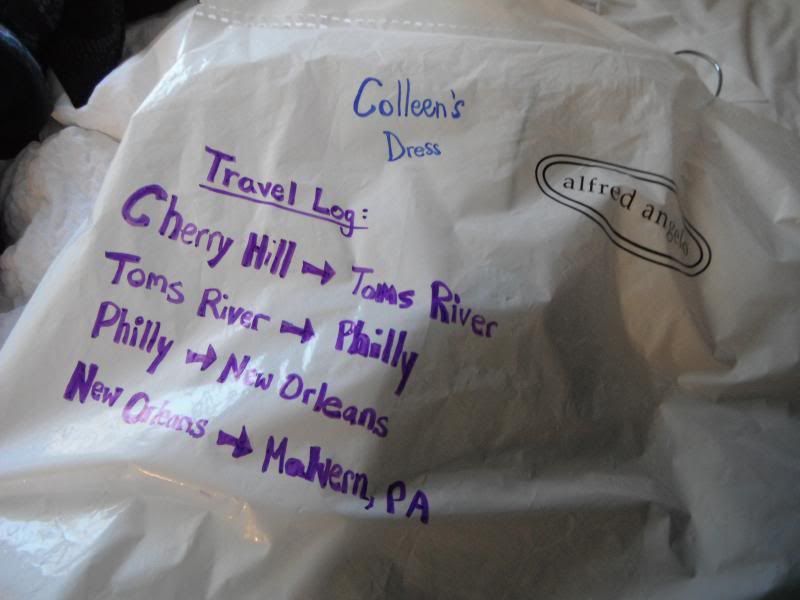
Even my dress has a travel itinerary. photo DSCF9194_zpsa77d6958.jpg
One of the other accomplishments of this crazy trip was to get my dress for Amanda's wedding to take back to New Orleans, since I failed to get it altered in December when I was home. Oops. Jamie kindly helped transport the gown, and left a little note for me. You know you travel a lot when: even your stuff has a travel itinerary!


14 January 2014

Beasts of the Southern Wild

I was feeling a little run down last night, so I decided to curl up in my bed early with my laptop and watch a movie. I had just received a copy of Beasts of the Southern Wild, which I finally ordered last week after hearing about it for the dozenth or so time while working down the bayou. I had only heard criticism from the communities I've been working with, so I watched the movie with a pretty steep bias.

Ok, this is the part where I'm going to start discussing the film with reckless abandon, so if you are highly offended by spoilers and haven't seen it, go away (for now, I hope you'll come back another time to talk about this and other things). If you haven't seen it, I'd be more than happy to lend you my copy. Just send me your address.

Here, I'll stick a map in here so you don't have to see more words if you don't want to:


View Larger Map

So that long, skinny northeast-southwest line is the road to Isle de Jean Charles (the northish-southish oriented thing at the southwestern end of the road), one of the communities I'm working with through the First People's Conservation Council. It has recently been rebuilt, but it's still just a narrow two lane road with no kind of buffer on either side of it to protect it from high or rough water. (In fact, there was a temporary road put on the southern side of it, that is being removed-- why? Why spend the extra time and money to remove something that might potentially help? Sigh, bureaucracy.) And there is definitely plenty of water there, since various levees and flood walls have completely destroyed the wetlands as well as the island itself. Pointe-aux-Chenes, which I've mentioned once or twice, is what the road connects Isle de Jean Charles to. (And Montegut, just north of Pointe-aux-Chenes, is where the movie was filmed.)

Isle de Jean Charles is the place that bayou village Charles Doucet, which its citizens call The Bathtub, is based on. And while I think the movie did an adequate job of capturing the some of the joy and camaraderie that exists in little bayou camps, I could immediately see why the people of these real-life communities take exception to the movie's portrayal of them. The people of The Bathtub live in absolute squalor.

There were a lot of things I liked about the movie. For one, it's just beautifully filmed-- yes, literally filmed in a world where most major movies are made digitally. I like that the actors and actresses were mostly, if not all, from south Louisiana (and for many, this was their first time acting).

There's sort of this whimsical, mystical take on climate change, the melting ice caps, and the destruction of the bayou, and the main character, Hushpuppy, says a lot of things about the interconnectedness of the universe. "The whole universe depends on everything fitting together just right."


I liked the honesty of the very sad, difficult, complicated story line of the storm's aftermath: this community trying to fend for itself by building a floating camp and blowing up the levee that was keeping their village under water; the fact that the mandatory evacuation enforced several weeks after the hurricane, with emphasis on the "force" part of "enforced"; the one way bus tickets issued to miscellaneous towns around the US. The storm in question wasn't called Katrina, but certainly carried a lot of her baggage.

I liked the inclusion of salt water intrusion, a subtle nod to the very real environmental problems of this region. "Two weeks later, everything started to die." Here's my picture from September of trees killed off by salt water in that neck of the bayou:
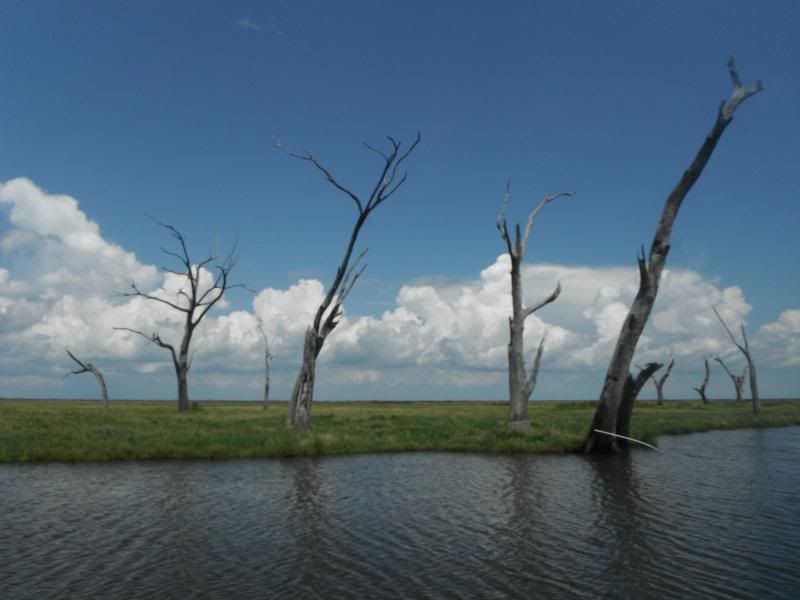
Grand Bayou photo DSCF8169_zps279e90c9.jpg

There was a lot about this movie that gave me mixed feelings. Like I said, the film portrays bayou camp dwellers as living in filth. I don't think that was especially true to real life, nor do I think it was relevant to the story. I'm sure there are some people who live in run down places amidst random junk, far beyond the grid, but that's not the norm. I've been in some homes that have an eclectic collection of things, but none of them have been so dirty.

I was also frustrated by the idea of the freedom of poverty. I don't think it was especially realistic. Yes, there is certainly some freedom for a culture that is not bound by bank accounts, but I suspect there are way more challenges than benefits (oh hey, super timely article "It Is Expensive to Be Poor"!). I'm not quite sure how Wink gets to the hospital, and back. And what about food? There are plenty of scenes that involve eating, whole chickens put on grills, plentiful seafood, hot peppers growing on the floating camp... in one scene, Hushpuppy is shown munching on some leaf. What about when the wetlands are killed by pollution or salt water? How did they get fresh water? What about oil? The BP Horizon disaster happened when this movie was being filmed. All kinds of environmental problems contribute to challenging food security. When you don't have a bank account, you can't just go buy what you can't catch.

The end scene with the community walking down the road to The Bathtub, which is the actual road to Isle de Jean Charles, and the waves splashing up across it... eerie. And so real. It doesn't even take a storm, just a stiff wind or a full moon. These are communities just about ready to fall off the earth, and with practically no attention or sympathy. I mean, in the movie, the authorities didn't notice the people still in The Bathtub until after they blew up a levee to let the water out. It took a literal explosion for anyone to check on them. That was probably relatively close to reality, because as it is, there is little to no local, state or federal government assistance for these precious places, or the people in them.

I guess that's where other people step in, take exception to an otherwise beautiful movie, and try their best to raise some awareness and get some help to these communities. There's a lot of good going on down here, but it seems there are infinite challenges for each positive step taken. I know I am barely scratching the surface. But, Hushpuppy said it, late in the film, "I see that I'm a little piece of a big, big universe. And that makes things right."
10 January 2014

Grand Bayou

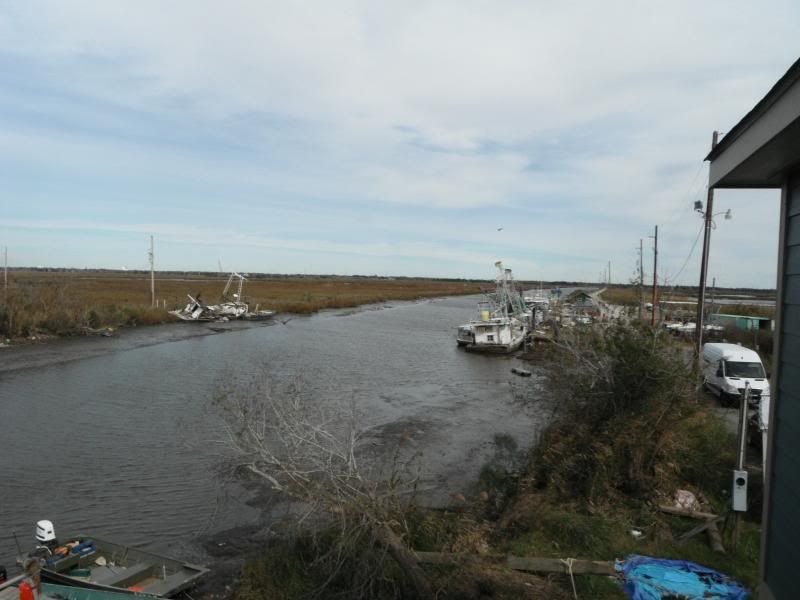
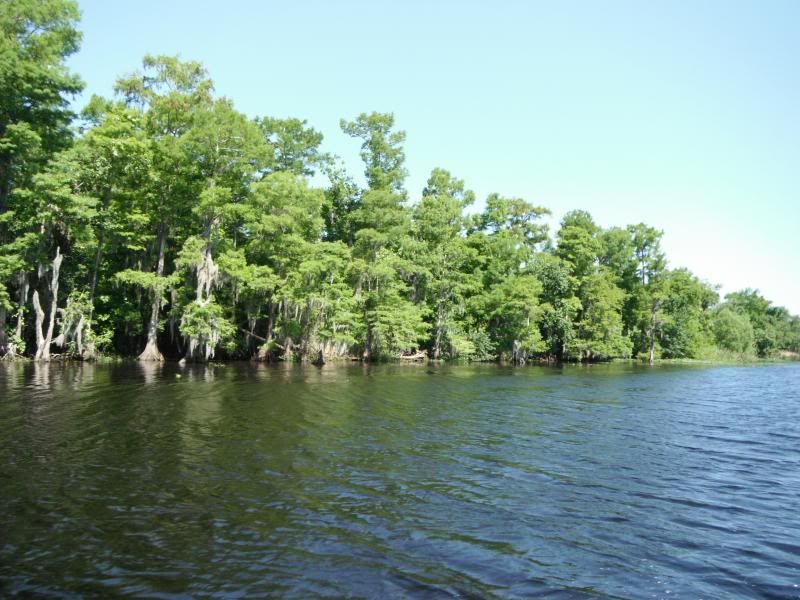
This past Monday, I visited my first water bound community in Louisiana, meaning, there aren't roads or paths between the houses-- just water and trembling prairie. There is one road that ends at one family's house, by the old school house, and that's it. They use boats to get around the neighborhood.


View Larger Map

I was in Grand Bayou for another session with the group I met with in Pointe-aux-Chenes, the Mobile Farm Market. This is one of the kindest communities I've worked with yet. I was welcomed warmly into the home of people I hadn't met before. The chief of Grand Bayou was recovering from a cold, and also doesn't do cold weather, so I didn't see her. She and I have been in contact though, and she has a lot of great conservation ideas for her community that I'm hoping to help with.

Grand Bayou photo DSCF9167_zpsd6e917c1.jpg

Grand Bayou photo DSCF9165_zps3b361b14.jpg

The community felt very peaceful despite the frigid, high winds. I'm looking forward to exploring more beyond the end of the road, but it was definitely not a good day for a boat ride.

Aside from the one home, there was an old schoolhouse at the end of the road. It was wrecked by Katrina. It still stands empty.
the old schoolhouse in Grand Bayou, which was destroyed by Katrina photo DSCF9163_zps6dcb8a83.jpg

Another thing I found interesting was these raised garden beds that people were talking about. It turns out, the community couldn't get funding or approval to build up levees, but could get funding AND approval to create raised garden beds. So they have some very tall garden beds that they're trying to figure out what to do with.

Grand Bayou is a quiet, friendly place. I'm really looking forward to working with this community this spring.

31 December 2013

The Great Inversion in the Sky

It was a fun adventure trying to explain to people what I was doing for the holidays. Wellll, going to New Jersey for a week, then to Salt Lake City, but flying into Las Vegas and driving up, but then to Bullhead City for New Year's, and then flying back to New Orleans on New Year's Day (which has since changed, but more on that another time)...

Mike came with me to Salt Lake City to celebrate the wedding of my dear sweet friend Hilary and her husband Patrick. I was honored to be a bridesmaid!


I'd only previously been to southern Utah to visit Bryce and Zion from a Las Vegassy direction (Mike too, since we went on that trip together). The drive up I-15 from Vegas to Salt Lake City involved a lot of mountains and eventually, snow. The long vistas got my head spinning a little, especially on the low sleep, high caffeine kind of way we were running through the holidays. But Mike and I took turns driving and made it the six hour drive through space and time safely.

Space and time? Oh yeah. We left Vegas at 6AM for our six hour drive. Except, I got time zones all wrong, which would be a continuing theme on this whole trip out west. Utah is on mountain time. Nevada is on Pacific time. Arizona is on whatever time it wants and that confuses me (Arizona does not observe Daylight Saving).

 photo DSCF9103_zps370be712.jpg
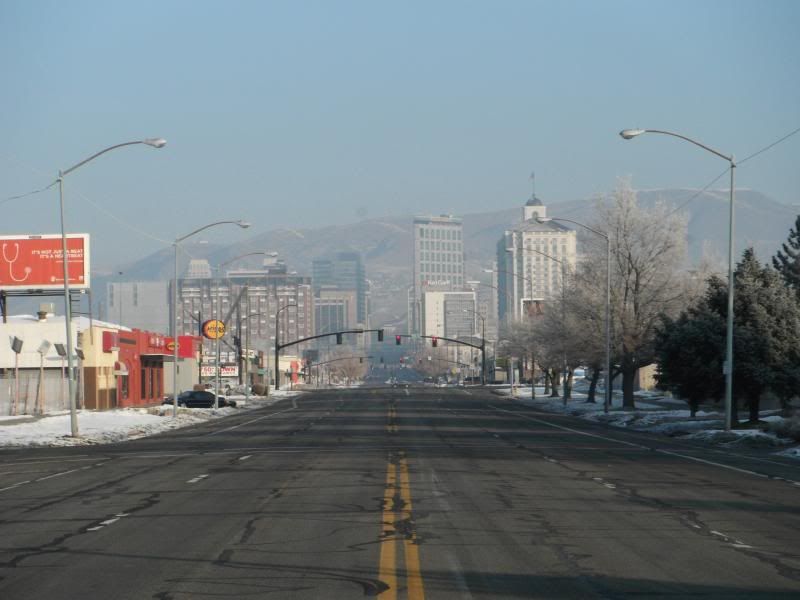
Salt Lake City and the Wasatch Mountains... through the seasonal smog

Anyway. Hilary and Patrick had a beautiful wedding and threw an awesome party afterward. It was so great to visit with Hilary and her husband and a few other college friends, and to dance the night away like a crazy lady.

 photo LambertWedding2_zps9b28d98c.jpg
classy people at the end of the night...

 photo DSCF9108_zpsb07949fe.jpg
Great Salt Lake behind us, the sun in front of us...

Salt Lake City was pretty neat, but I was surprised by the smog. In winter, with the cold air at high elevation, pollution just kind of sits in the basin between the Wasatch and Oquirrh and other mountains, with warm air on top (atmospheric inversion! ask me about it sometime) holding it down. Still, lovely.

 photo DSCF9110_zpsfe1a8b40.jpg
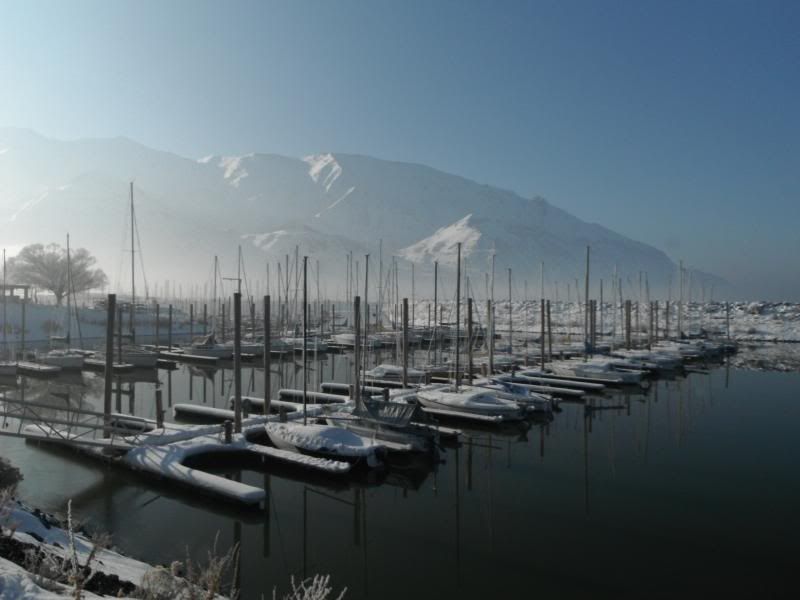
Great Salt Lake State Marina, Oquirrh Mountains

I'd like to see more of Utah. Good thing Hilary and Patrick live there. Congratulations, Lamberts! and yaaaay Utah!

 photo DSCF9104_zpsdcbd75dd.jpg

30 December 2013

the ocean

I always try to see the ocean when I'm home, just to make sure it's still there.


Jamie and I were going to meet up, potentially to record a Christmas greeting to our beloved Katie over in Chinook. I had suggested we meet up at the Sawmill in Seaside (a pizza place and bar) instead of going all the way down to Katie's neighborhood by Island Beach State Park, where we usually hang out.

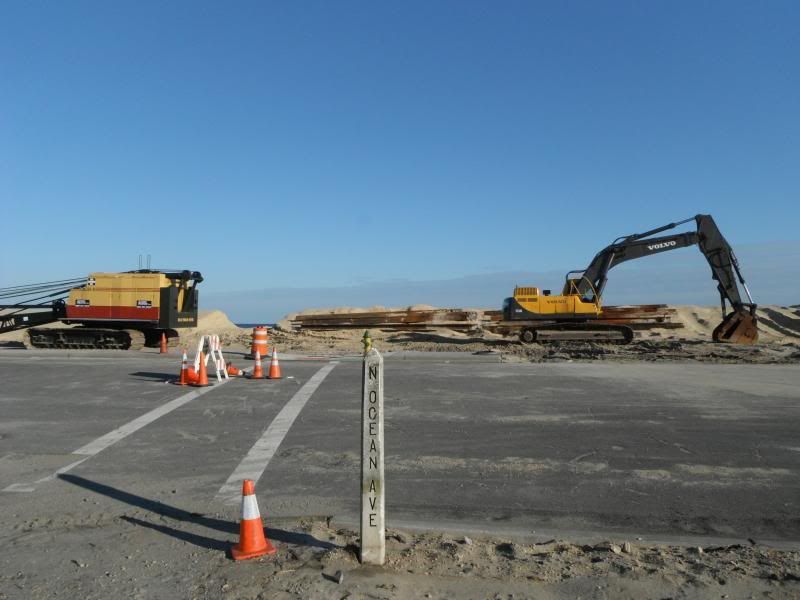
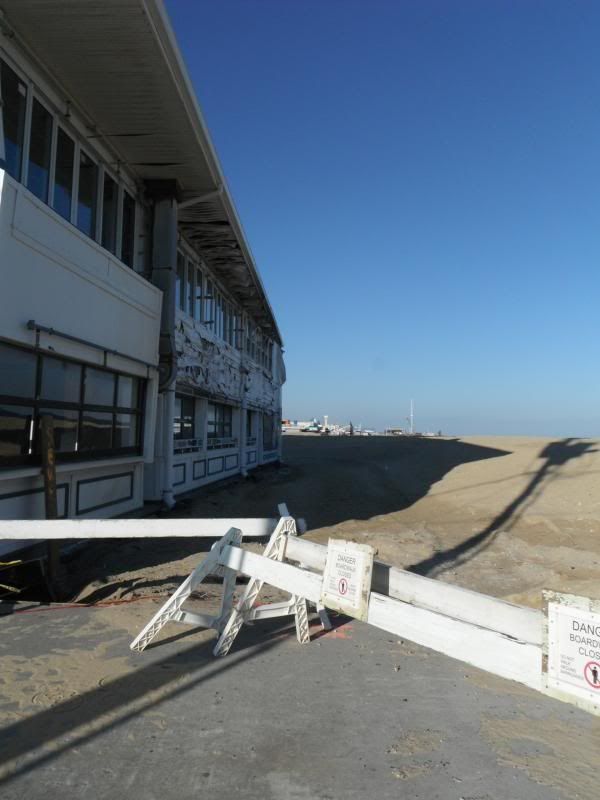
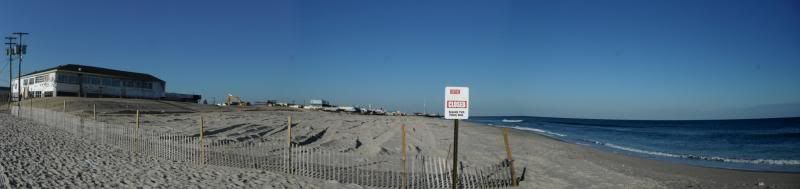
I forgot what happened to Seaside this fall until I got over the bridge. Ugh.

 photo DSCF9082_zpsc78aecf3.jpg

 photo DSCF9083_zpsbc043b82.jpg
The Sawmill, all melty and unsafe for occupancy but still standing thanks to some serious sprinklers

It was hard to go over there, but I'm still confident in the strength and resiliency of New Jersey. I'm glad I made it to see and feel and hear and smell the ocean for a few minutes before heading west. I may like to wander, but home is home.


Till next time, New Jersey.

 photo DSCF9086_zpsf27a7483.jpg

08 December 2013

out of the fog

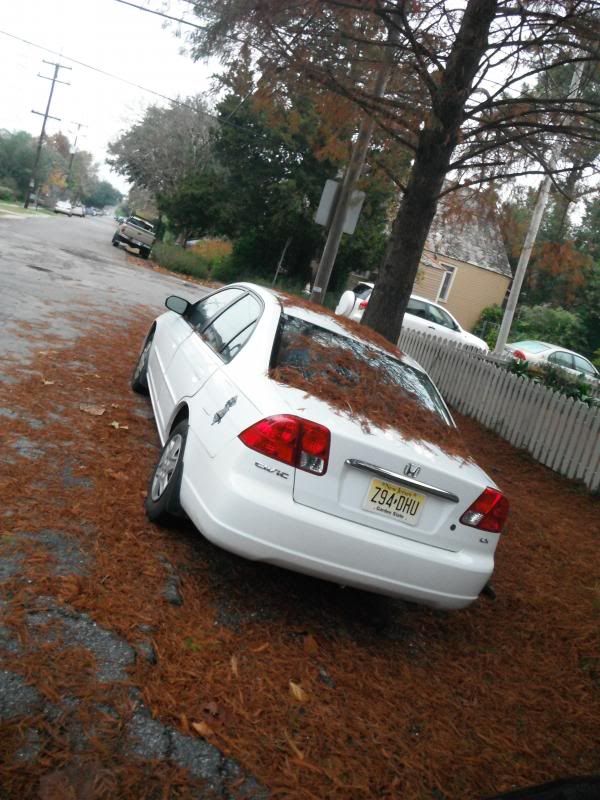
It's hard to remember that it's December when it's still pretty consistently warm enough for t-shirts. I mean, it only just became fall, like yesterday, when a cold front dropped the temperature by 40 degrees and dropped about 1/4 of the cypress leaves:
 photo DSCF9048_zps6d19d0c8.jpg

At home, I usually have my Christmas concert to snap me out of November mode (I love Thanksgiving!), but the weather and the fact that my work has been quiet for the past week or so has really kept me in this foggy bubble with little regard for the upcoming holidays.

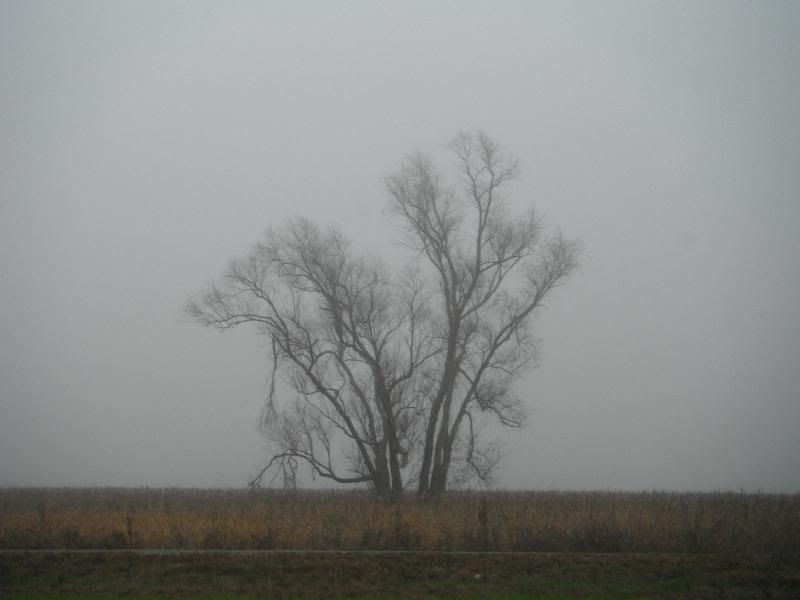
Then it was actually really foggy this morning out in bayou land. Visibility approximately 50 feet:
 photo DSCF9049_zpsa4a45535.jpg

And this at 11:30 or so was a vast improvement over the conditions when I drove out to Bayou Blue before 8AM. 

I decided to combat this oblivious aloofness by listening to Christmas music all day. I'm not usually one for songs about Santa, but this one added a little boogie to my ride home from the bayou and a little Advent into my heart:


Wishing you and your loved ones peace and joy this Christmas season.

06 December 2013

Audubon Aquarium of the Americas

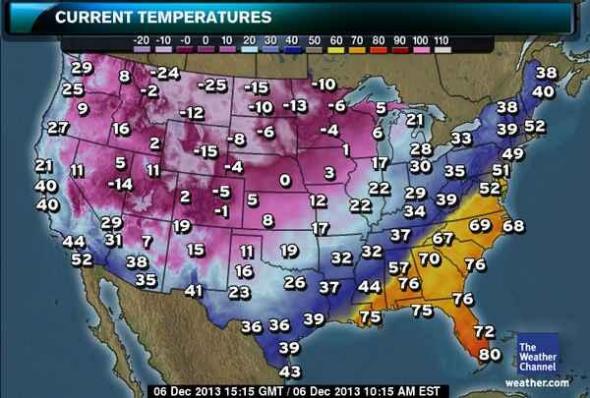
I've been having one of those weeks when I don't have much to show for my work. On top of that, my new friend from the Episcopal service corps, Lindsey, had taken today off to come plant trees with me, which was cancelled on account of that neato cold front that swept across the continent today.

national weather map forecast

So even though I felt like a bum and didn't want to get dressed or leave the house, when Lindsey suggested we go to the aquarium, I agreed. For one, she's cool and generally has good ideas. Second, she found a great deal on Living Social: half price admission! And I knew I'd enjoy it once I got there.

I was right. That place is SWEET.

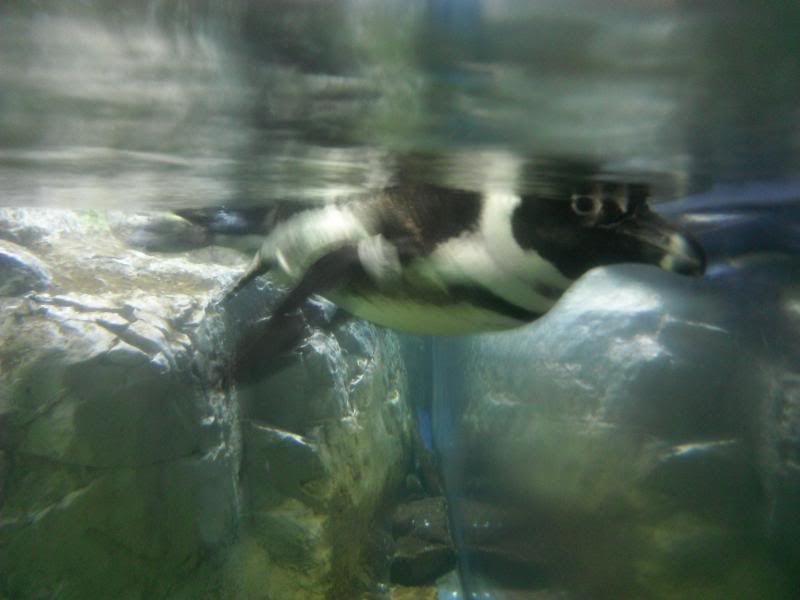
 photo DSCF8985_zps374dd36b.jpg
penguins!

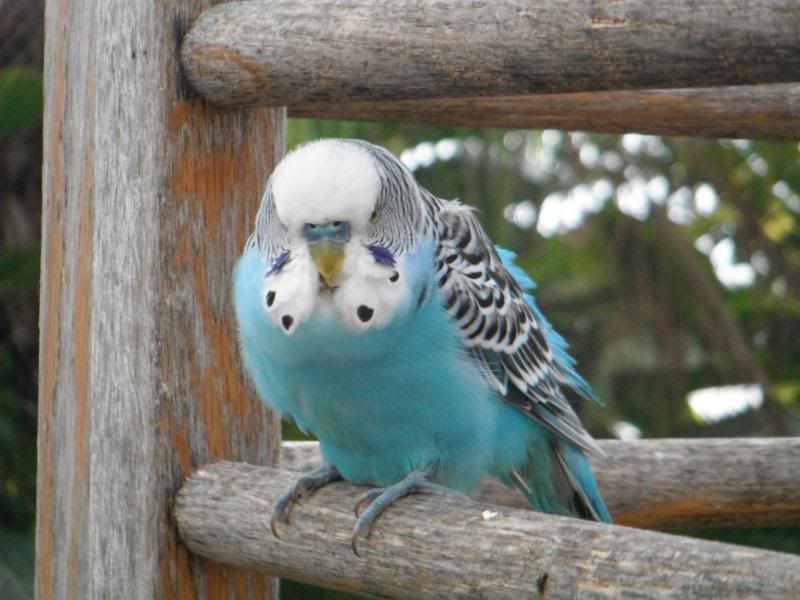
 photo DSCF9012_zps5959706b.jpg
parakeets!

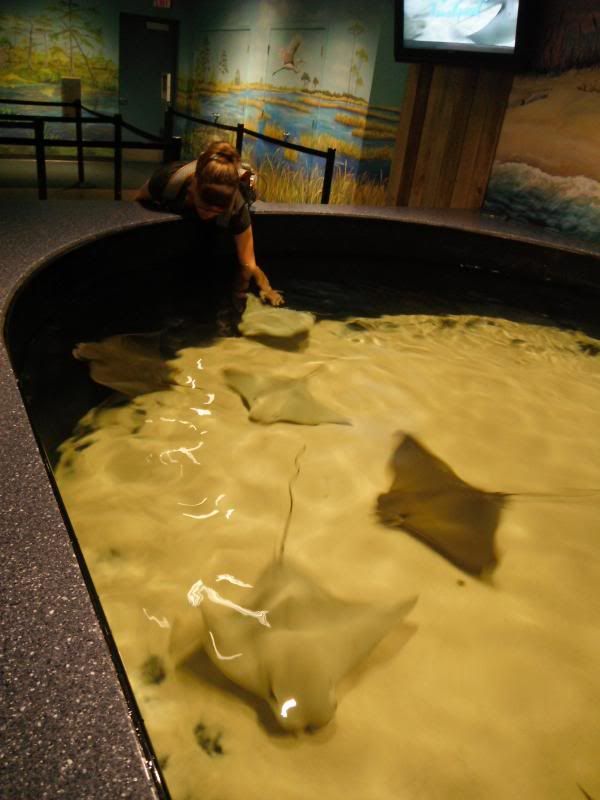
 photo DSCF9021_zps49aea5a6.jpg
sting rays!

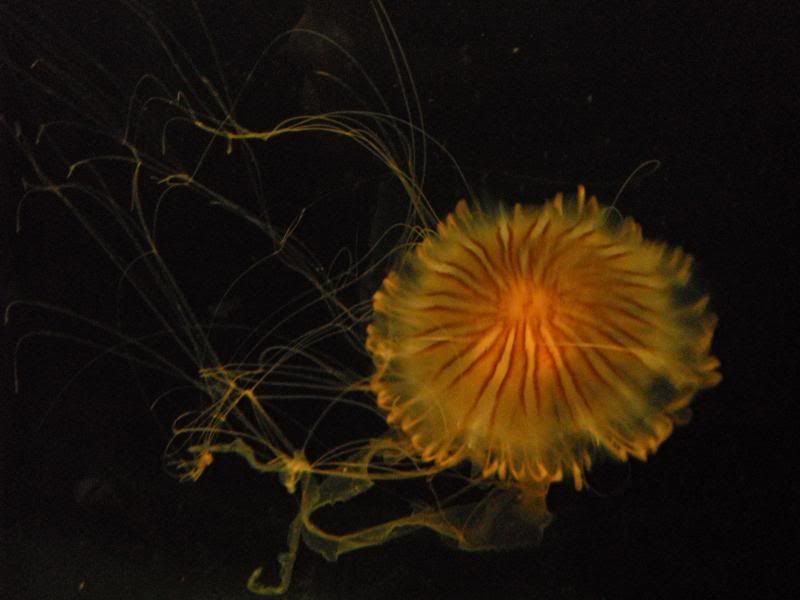
 photo DSCF9040_zps105f40f3.jpg
nettles!

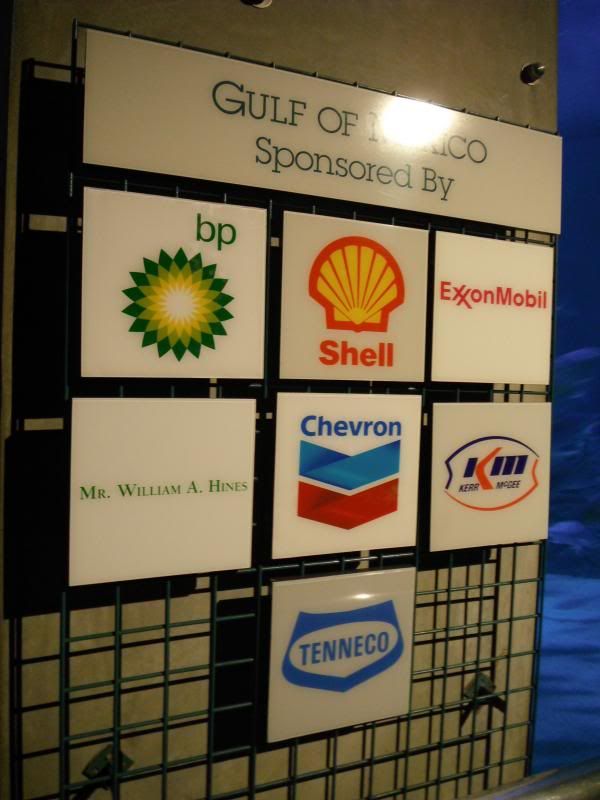
And lots of cool fish and an enormous albino gator and some cute otters and some other cool fish and sharks and stuff! I found this display rather curious--

 photo DSCF9039_zps3e0e9114.jpg

I guess those oil companies can pat themselves on the back for funding a nice tank that shows how oil rigs can form interesting habitats for all sorts of creatures. They left out the part where the oil leaks kill wildlife or how the construction of said rigs destroys wildlife habitat in the first place, etc. etc.

I find it interesting how many oil companies are getting away with murder in the Gulf. Conservation groups and local residents are having trouble holding them accountable for the damages they have caused along the coast. The government doesn't want to hold them responsible, because oil brings so much money into the state... BUT at what cost, exactly?


But, stepping off my Wetlands Advocate soapbox, the aquarium was pretty cool. I can't remember the last time I went to one. Good change of pace in an otherwise pretty quiet week in my little world down here in South Louisiana.