Showing posts with label language. Show all posts
Showing posts with label language. Show all posts
04 October 2013
Laissez les bon temps rouler!
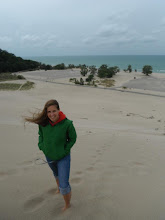
Something tells me that if Grandma Day sees this, she'll tell me I'm playing with my hair too much, but it was a beautiful breezy morning down by the Mississippi River!

02 September 2013
French, s'il vous plait
On this lovely 90 degree, 90% humidity Labor Day, two of my housemates and I wandered about the French Quarter for a few hours. It was nice to see a little more of the city and enjoy our last day before we all start our jobs.
I've had an interesting time observing French from the moment I crossed the state line from Mississippi on I-59. I'm fairly confident in my complete inability to pronounce anything even vaguely French. I had my spelling corrected approximately 23957 times in the meeting last Friday (ok, just twice, after I wrote down my fifth iteration of the town "Thibodaux"-- Tibido, Tibideaux, Tibideau, Tibidaux, Tibi~~~ (squiggly lines ensued), and after I noticed a specific local forestry term written down on one of the papers being passed around the room). Thankfully, one of the good things that came out of the infamous Peace Corps debacle was plenty of free online French language lessons and resources. Also, I hear there are lessons at my local library. One of my goals for the year: learn enough French that I can at least write things down correctly, or closer to correctly. I'll know I have truly succeeded in this if I can also pronounce street names and business names without the preface, "I know I'm about to embarrass myself..."
I heard a lot more French being spoken in the French Quarter than I expected, oddly enough. People have reassured me over and over that I'll be fine without a background in French or Romance languages (nine years of German and a year of Mandarin? Surprisingly not useful!), but I'm pretty sure I've heard it every day so far. I definitely heard it more on my trips outside of the city, weaving its way into and out of conversations between people whose families have lived in the area for generations.
I guess I was vaguely aware that the French here are related to the French in eastern Canada and northern Maine. This weekend, while down in Bayou Blue, it was pointed out that "Cajun" is a sort of bastardization of "Acadian". It all kind of clicked and I started to think about all of the beautiful things I saw last summer when I drove across eastern Canada with Jamie, Amanda and Katie. The stop signs may not say Arête, but the language is still very present here.
Cajuns were exiled from eastern Canada for failure to pledge allegiance to Britain. They kind of wandered south until they were left alone, settling on the bayou and adapting their culture to the local environment. (This is as opposed to Creole, which are people of France French heritage and sometimes Spanish and Italian.) They invented all sorts of wonderful foods and Zydeco music.
So anyway, French Quarter. It's very touristy, so my lack of French skills was not actually a hindrance. Hannah, Jess and I wandered around the market, checking out local crafts and the myriad of masks, beads and voo doo dolls. We had lunch at Mothers, a legendary po'boy shop where even the cabbage had meat visible in it, so I ordered buttered grits and was plenty happy. Another goal for the year that I am not sure should actually be a goal but am considering anyway: building up to eating food that was cooked with meat in it, but probably not actually eating the meat. So the rice and beans that's cooked with a hunk of ham in it, potatoes and corn cooked in the same pot with the crawfish or shrimp... I'm still really not interested in eating meat, and I'm pretty sure my digestive system isn't either after nearly ten years of vegetarianism, but I really do want to experience the culture as best I can, and I really don't want to turn down the incredible hospitality offered to me here.
I drove, and was happy to do so, to start getting my bearings on the area. The whole Crescent City thing is confusing-- there are streets that go from one side of the city to the other, but they don't exactly run due east-west. Still, we had a pleasant drive, ultimately down Canal Street and Magazine Street back over to our neighborhood, Carrollton. It was a good day.
20 September 2010
Sunday 29 August: safari part one
One year ago on this day I was specifically not in Malawi because I was at Chris and Kerin's wedding. I am so glad I could be part of that wonderful day, and everything seems to have worked out for me, too.

My congratulations for these two continue. I love you both so much!
Like August 29, 2009, I spent the morning in a church.

The pastor at the Sakata CCAP reminded us all a lot of the old man in the Six Flags commercials, except tinier and more cartoony. I really wonder how old he is. I'd guess 80s, honestly. He was really kind and actually kind of funny, but he had this twitch around his mouth and these huge glasses that reminded me a lot of Uncle Don's in the Marines:


Anyway. Church was a short two and a half hours-- the sermon came about an hour and forty minutes in but we were all kind of surprised that we had been sitting there so long. This included a lot of singing and also time for translations (which we hadn't gone in expecting but were certainly happy to receive from Mwalabu). The pastor began his sermon talking about how having lots of different colored flowers makes for a more beautiful garden (even if people in the village couldn't tell the white flowers apart). It was actually very sweet. We presented him with a stole with the PCUSA cross on it. He was very excited because stoles aren't very commonly worn in Malawi, or in Africa. He was excited because it would strike his academic colleagues with fear that he is better educated. That kind of amused me, since I definitely dress a particular way when I teach in hopes that my students will believe I'm actually qualified (and not still in high school, as I know my face suggests). We also gave him Bibles and hymn books in Chichewa and English, as well as a blue hymnal from my church (more a ceremonial gift-- I did not meet a single person who could read music during my entire stay in Malawi). They were very excited.
After the service, we shared a light meal and spent a bit of time with the youth choir. Then, three of the women and I left for an overnight safari in Liwonde National Park along the Shire River (pronounced shee-ree), while Liz, Bob and Charlie stayed behind for some more serious logistical meetings for VIP.
Because everything in Malawi is on Malawi time (read: late), we arrived after our first safari drive was scheduled to depart, which it did, without us. But we settled in quickly and were taken out to meet our guide, "Danger by name, not by nature." Seriously. His given name was Danger. "That is the name my mother gave me at birth." Seriously.
We saw some amazing and beautiful things as the sun set.

Tree of the day #1: Candelabra Tree. Not a cactus. Really cool looking!
Tree of the day #2: Mopani. I did not get a good photo of this. Mopani is Chichewa for butterfly, which the leaves resemble.

Tree of the day #3: baobab, which is sort of the stereotypical African tree. There are some on the continent that are thousands of years old. We didn't see any that old, we mostly saw them with some massive scars from elephants colliding with them (sometimes accidental, sometimes as a scratching post).

Water buck having a drink

It was so beautiful. The air was fresh and the weather was perfect. And when everyone would stop talking about how silent it was... it was so peaceful. It was incredible. I loved hearing the sounds of branches snapping as different creatures had their dinners, and the far off groan/burp/call of the hippos. It was really awesome.
We did see some elephants! They were off in the distance, munching on some trees. Danger held up a filtered light-- red light is the only color that doesn't wreck night vision in animals (including humans).

You can kind of make them out-- it's a big one in the middle, facing left, and some babies hanging out with her.
Since we were with the church, drinking was not really acceptable in the villages, nor in the city because we were always with other people from the church. However, on safari, that rule could be overlooked. Beer of the day: Kuche Kuche, which is somehow Chichewa for "you can drink this from night till dawn without getting drunk." Three different Malawians told me this, so I guess that's really what it means. Such a fascinating language. And such a plain beer with low alcohol content that you probably really could drink all night without noticing. This beer is brewed by Carlsberg, whose first brewery outside of Denmark was actually in Malawi near the city of Blantyre.
All in all, a very cool day. We went to bed early. I was kept up for a little while by the sounds of the wind and the hippos and other critters, but I really didn't mind it. It was so serene, and I was excited to see more of it the next day...
My congratulations for these two continue. I love you both so much!
Like August 29, 2009, I spent the morning in a church.
The pastor at the Sakata CCAP reminded us all a lot of the old man in the Six Flags commercials, except tinier and more cartoony. I really wonder how old he is. I'd guess 80s, honestly. He was really kind and actually kind of funny, but he had this twitch around his mouth and these huge glasses that reminded me a lot of Uncle Don's in the Marines:
Anyway. Church was a short two and a half hours-- the sermon came about an hour and forty minutes in but we were all kind of surprised that we had been sitting there so long. This included a lot of singing and also time for translations (which we hadn't gone in expecting but were certainly happy to receive from Mwalabu). The pastor began his sermon talking about how having lots of different colored flowers makes for a more beautiful garden (even if people in the village couldn't tell the white flowers apart). It was actually very sweet. We presented him with a stole with the PCUSA cross on it. He was very excited because stoles aren't very commonly worn in Malawi, or in Africa. He was excited because it would strike his academic colleagues with fear that he is better educated. That kind of amused me, since I definitely dress a particular way when I teach in hopes that my students will believe I'm actually qualified (and not still in high school, as I know my face suggests). We also gave him Bibles and hymn books in Chichewa and English, as well as a blue hymnal from my church (more a ceremonial gift-- I did not meet a single person who could read music during my entire stay in Malawi). They were very excited.
After the service, we shared a light meal and spent a bit of time with the youth choir. Then, three of the women and I left for an overnight safari in Liwonde National Park along the Shire River (pronounced shee-ree), while Liz, Bob and Charlie stayed behind for some more serious logistical meetings for VIP.
Because everything in Malawi is on Malawi time (read: late), we arrived after our first safari drive was scheduled to depart, which it did, without us. But we settled in quickly and were taken out to meet our guide, "Danger by name, not by nature." Seriously. His given name was Danger. "That is the name my mother gave me at birth." Seriously.
We saw some amazing and beautiful things as the sun set.
Tree of the day #1: Candelabra Tree. Not a cactus. Really cool looking!
Tree of the day #2: Mopani. I did not get a good photo of this. Mopani is Chichewa for butterfly, which the leaves resemble.
Tree of the day #3: baobab, which is sort of the stereotypical African tree. There are some on the continent that are thousands of years old. We didn't see any that old, we mostly saw them with some massive scars from elephants colliding with them (sometimes accidental, sometimes as a scratching post).
Water buck having a drink
It was so beautiful. The air was fresh and the weather was perfect. And when everyone would stop talking about how silent it was... it was so peaceful. It was incredible. I loved hearing the sounds of branches snapping as different creatures had their dinners, and the far off groan/burp/call of the hippos. It was really awesome.
We did see some elephants! They were off in the distance, munching on some trees. Danger held up a filtered light-- red light is the only color that doesn't wreck night vision in animals (including humans).
You can kind of make them out-- it's a big one in the middle, facing left, and some babies hanging out with her.
Since we were with the church, drinking was not really acceptable in the villages, nor in the city because we were always with other people from the church. However, on safari, that rule could be overlooked. Beer of the day: Kuche Kuche, which is somehow Chichewa for "you can drink this from night till dawn without getting drunk." Three different Malawians told me this, so I guess that's really what it means. Such a fascinating language. And such a plain beer with low alcohol content that you probably really could drink all night without noticing. This beer is brewed by Carlsberg, whose first brewery outside of Denmark was actually in Malawi near the city of Blantyre.
All in all, a very cool day. We went to bed early. I was kept up for a little while by the sounds of the wind and the hippos and other critters, but I really didn't mind it. It was so serene, and I was excited to see more of it the next day...
18 September 2010
Thursday 26 August: agriculture and meetings
Another glorious day at the foot of the Zomba Plateau

We found ourselves with a bit of extra time between breakfast and heading back to the villages, so we were able to walk around the Namangazi Farm and talk about agriculture in Malawi. You know I was all up in this conversation!

Here you can see cabbage, fish ponds, and off in the distance, papaya and rice. They are experimenting with larger varieties of cabbage here. The fish ponds are fed by a little stream that comes down from the plateau. There are a few wet patches on the other side of the fish ponds where they are growing rice, but there were also drier rice plants elsewhere on site. Papaya is something being encouraged more recently, because it's relatively easy to grow in Malawi and has some great health benefits. It wasn't a particularly well known or popular fruit until recently.
Mwalabu (from Synod) and Nelson (a groundskeeper for Namangazi) walked around the farm with us. Namagazi was an agricultural experimental center run through Blantyre Synod, at least, until the crooked accountant kind of brought them down. The place is still open as a hotel and they do raise a lot of their own food, but the program is not as extensive as it used to be. Still, there is hope that they will be able to return to hosting farmers from the villages to teach new agricultural practices. The emphasis is on "Farming God's Way" which is a transition to organic, low-impact farming over the course of a few years. This includes a switch from chemical fertilizers to manure and compost over the course of a few growing seasons and leaving crop residue to reduce erosion and to continue a composting cycle to enrich the soil, among other techniques. I won't bore you to death about farming. It was a really beautiful place to walk around though.
In the villages, we met with the Village Development Committee and Area Action Committee, leaders from the villages in the Sakata catchment. After many introductions (everyone has to be very formally introduced every time-- this goes for us and them!), long discussions began about the work being done through VIP. They were very excited and grateful for all of the changes in the villages.
Looking through my other entries about Malawi, it seems I have not yet introduced you to Daniel Bonongwe. My apologies! This is as good a time as any. He is VIP's community worker in Sakata. He is a high-energy, charismatic, friendly, hard working, awesome person. With a very, very memorable smile.

In the middle of the meeting he decided everyone was getting to sleepy, and proposed an energizer-- a game called Zip, Zap, Zoom that I actually learned in 2003 from a guy I worked with at camp who was from New Zealand. Amazing how connected the world is! And it was hilarious to see all of these leaders, some of whom seemed a bit stodgy, get silly and laugh together as we attempted to play the game.
After a traditional village meal sans silverware at Mwalabu's sister's home (how on earth do people eat rice with their hands without making a huge mess?!), we met with the village chiefs and the Traditional Authority (another leader who is in charge of exactly what it sounds like). An awesome moment in this meeting for me was that during the introductions, Mwalabu introduced me as "Amayi Colleen Earp". My name is very difficult for Malawians to pronounce, but I enjoy hearing them take a stab at it (Mwalabu always did pretty well, speaking very slowly and carefully so my name didn't sound like rude noises). But more importantly was the Amayi. Mayi literally means "mother" but is used like we would use Mrs. or Ms. Adding the "a" in front of it is an additional sign of respect... a huge turnaround from my first meeting with Mwalabu, when he thought I was a child. Despite being the "young one" one this trip, as I was frequently introduced, it seems that people did respect me. It was a very welcoming feeling.
We found ourselves with a bit of extra time between breakfast and heading back to the villages, so we were able to walk around the Namangazi Farm and talk about agriculture in Malawi. You know I was all up in this conversation!
Here you can see cabbage, fish ponds, and off in the distance, papaya and rice. They are experimenting with larger varieties of cabbage here. The fish ponds are fed by a little stream that comes down from the plateau. There are a few wet patches on the other side of the fish ponds where they are growing rice, but there were also drier rice plants elsewhere on site. Papaya is something being encouraged more recently, because it's relatively easy to grow in Malawi and has some great health benefits. It wasn't a particularly well known or popular fruit until recently.
Mwalabu (from Synod) and Nelson (a groundskeeper for Namangazi) walked around the farm with us. Namagazi was an agricultural experimental center run through Blantyre Synod, at least, until the crooked accountant kind of brought them down. The place is still open as a hotel and they do raise a lot of their own food, but the program is not as extensive as it used to be. Still, there is hope that they will be able to return to hosting farmers from the villages to teach new agricultural practices. The emphasis is on "Farming God's Way" which is a transition to organic, low-impact farming over the course of a few years. This includes a switch from chemical fertilizers to manure and compost over the course of a few growing seasons and leaving crop residue to reduce erosion and to continue a composting cycle to enrich the soil, among other techniques. I won't bore you to death about farming. It was a really beautiful place to walk around though.
In the villages, we met with the Village Development Committee and Area Action Committee, leaders from the villages in the Sakata catchment. After many introductions (everyone has to be very formally introduced every time-- this goes for us and them!), long discussions began about the work being done through VIP. They were very excited and grateful for all of the changes in the villages.
Looking through my other entries about Malawi, it seems I have not yet introduced you to Daniel Bonongwe. My apologies! This is as good a time as any. He is VIP's community worker in Sakata. He is a high-energy, charismatic, friendly, hard working, awesome person. With a very, very memorable smile.
In the middle of the meeting he decided everyone was getting to sleepy, and proposed an energizer-- a game called Zip, Zap, Zoom that I actually learned in 2003 from a guy I worked with at camp who was from New Zealand. Amazing how connected the world is! And it was hilarious to see all of these leaders, some of whom seemed a bit stodgy, get silly and laugh together as we attempted to play the game.
After a traditional village meal sans silverware at Mwalabu's sister's home (how on earth do people eat rice with their hands without making a huge mess?!), we met with the village chiefs and the Traditional Authority (another leader who is in charge of exactly what it sounds like). An awesome moment in this meeting for me was that during the introductions, Mwalabu introduced me as "Amayi Colleen Earp". My name is very difficult for Malawians to pronounce, but I enjoy hearing them take a stab at it (Mwalabu always did pretty well, speaking very slowly and carefully so my name didn't sound like rude noises). But more importantly was the Amayi. Mayi literally means "mother" but is used like we would use Mrs. or Ms. Adding the "a" in front of it is an additional sign of respect... a huge turnaround from my first meeting with Mwalabu, when he thought I was a child. Despite being the "young one" one this trip, as I was frequently introduced, it seems that people did respect me. It was a very welcoming feeling.
15 September 2010
Wednesday 25 August: meeting friends in Sakata
We traveled to the Sakata region near the city of Zomba in the morning along a very rough road for about an hour and a half. We actually stayed at an agricultural center near the villages, but since I didn't get to see much of it until the second day, I won't focus on that now. We dropped off our bags and headed straight to Kanuple, where a health clinic had been built during the last two years. There we would meet with many villagers as we distributed chicks that had been donated through Villages in Partnership.

the clinic, and Zomba Plateau in the distance
Actually, the clinic was pretty sweet. There was classroom space as well as a room for health workers to come run clinics, examining patients and giving out basic medication and supplies like soap. Tree of the day: mango tree. You can see one small one right at the corner of the clinic building, but the site of the clinic is very close to a pair of much larger mango trees, under which many villagers and leaders met with the people from the Allentown Presbyterian Church in 2008, which lead to the formation of Villages in Partnership, which lead to the building of this clinic and many other projects that we'd visit in the coming days. Actually, a few of my teammates had helped make the mud bricks that became part of the clinic. I was thrilled to see such a major accomplishment, but it was especially exciting for them to see.
Most of this trip was focused on meeting with people and talking about the issues they were facing, not necessarily doing the labor and leaving tangible change. The goal was to show the villagers that we are not just some blind benefactors far away, but we truly care about their progress and want to work with them to accomplish the things that they think are most important.

Liz, our leader, talking with some of the village women with Violet's help
Helping us communicate was Violet, the furthest right in the picture above. When I met her, I immediately liked her. She's really spunky and sweet. However, I struggled to have conversation with her for most of the first day because I could not for the life of me place how old she was. Was she in school? Was she married? Was she a mother? I didn't want to ask questions that might come off as offensive or stupid. Late in the day, I learned that she is 20, and has a 3 year old daughter. Violet didn't finish secondary school, presumably because she got married and had a baby. However, she dreams of completing secondary school and going to college to become a nurse.

Bob, the president of VIP, handing off one of the chicks
After the chick ceremony, we toured some of the farmland in Sakata. Our visit was during the end of the dry season, which is usually when the food starts running out from the previous harvest. One of the reasons for the shortage of food is the shortening of the growing season due to climate change. They just can't grow as much as they need. Another reason is because of the lack of irrigation infrastructure.

Above are some small plots that are constructed this way to help reduce erosion when irrigated-- this has been made possible by negotiating a little bit of waterfront land and connected a series of long hoses to the manual water pump picture below! It is basically like a Stairmaster, and once it gets going, it's really quite easy. I imagine pumping water loses its novelty quickly, but it's easy enough for people to take turns, and makes a huge difference in their ability to grow more food for more of the year.


It was easy enough for the smaller boy to work steadily on his own. I think the bigger boy just jumped on to help when he saw all of the cameras out!

We visited with a man (pictured above) who received a goat from VIP, based on his neighbors decision that his family was at risk. He is a pastor in his village (Roben), and he and his wife are sending their two children to school, plus two other children who were orphaned who they've taken in, plus another child or two besides whose father is not in the picture for whatever reason. Pastor Sewula's goat was pregnant, and he gave the kid to another family in need. In talking with him, he seemed very dedicated to the concept of paying it forward. His goat is pregnant again. Not sure what that says about the goat, but it is good news for the villages, who see goats as security.
It actually rained at the end of our time with Pastor Sewula, which is absurd because it's the dry season. However, it was warm and gentle, so it was not a bad thing. The VIP team walked back to our vehicles with probably two dozen children following us. They were excited to hold our hands and walk with us. Unable to communicate with the little kids who haven't learned much, if any, English yet, I just acted silly, taking large steps or jumping or skipping and dragging them with me. This brought so much laughter, which was more than adequate means of communication.

sunset over Zomba Plateau, through the rain clouds
the clinic, and Zomba Plateau in the distance
Actually, the clinic was pretty sweet. There was classroom space as well as a room for health workers to come run clinics, examining patients and giving out basic medication and supplies like soap. Tree of the day: mango tree. You can see one small one right at the corner of the clinic building, but the site of the clinic is very close to a pair of much larger mango trees, under which many villagers and leaders met with the people from the Allentown Presbyterian Church in 2008, which lead to the formation of Villages in Partnership, which lead to the building of this clinic and many other projects that we'd visit in the coming days. Actually, a few of my teammates had helped make the mud bricks that became part of the clinic. I was thrilled to see such a major accomplishment, but it was especially exciting for them to see.
Most of this trip was focused on meeting with people and talking about the issues they were facing, not necessarily doing the labor and leaving tangible change. The goal was to show the villagers that we are not just some blind benefactors far away, but we truly care about their progress and want to work with them to accomplish the things that they think are most important.
Liz, our leader, talking with some of the village women with Violet's help
Helping us communicate was Violet, the furthest right in the picture above. When I met her, I immediately liked her. She's really spunky and sweet. However, I struggled to have conversation with her for most of the first day because I could not for the life of me place how old she was. Was she in school? Was she married? Was she a mother? I didn't want to ask questions that might come off as offensive or stupid. Late in the day, I learned that she is 20, and has a 3 year old daughter. Violet didn't finish secondary school, presumably because she got married and had a baby. However, she dreams of completing secondary school and going to college to become a nurse.
Bob, the president of VIP, handing off one of the chicks
After the chick ceremony, we toured some of the farmland in Sakata. Our visit was during the end of the dry season, which is usually when the food starts running out from the previous harvest. One of the reasons for the shortage of food is the shortening of the growing season due to climate change. They just can't grow as much as they need. Another reason is because of the lack of irrigation infrastructure.
Above are some small plots that are constructed this way to help reduce erosion when irrigated-- this has been made possible by negotiating a little bit of waterfront land and connected a series of long hoses to the manual water pump picture below! It is basically like a Stairmaster, and once it gets going, it's really quite easy. I imagine pumping water loses its novelty quickly, but it's easy enough for people to take turns, and makes a huge difference in their ability to grow more food for more of the year.
It was easy enough for the smaller boy to work steadily on his own. I think the bigger boy just jumped on to help when he saw all of the cameras out!
We visited with a man (pictured above) who received a goat from VIP, based on his neighbors decision that his family was at risk. He is a pastor in his village (Roben), and he and his wife are sending their two children to school, plus two other children who were orphaned who they've taken in, plus another child or two besides whose father is not in the picture for whatever reason. Pastor Sewula's goat was pregnant, and he gave the kid to another family in need. In talking with him, he seemed very dedicated to the concept of paying it forward. His goat is pregnant again. Not sure what that says about the goat, but it is good news for the villages, who see goats as security.
It actually rained at the end of our time with Pastor Sewula, which is absurd because it's the dry season. However, it was warm and gentle, so it was not a bad thing. The VIP team walked back to our vehicles with probably two dozen children following us. They were excited to hold our hands and walk with us. Unable to communicate with the little kids who haven't learned much, if any, English yet, I just acted silly, taking large steps or jumping or skipping and dragging them with me. This brought so much laughter, which was more than adequate means of communication.
sunset over Zomba Plateau, through the rain clouds
14 September 2010
Tuesday 24 August: Mbayani and maize mill
On this day we visited Mbayani, an urban village (which is defined as not having land and agriculture; it's like a small city, though this one in particular is an impoverished slum).

We received a warm welcome. I wondered throughout the coming days, who taught children in villages to pose for cameras?

There was a large program full of singing, dancing and dramas before we toured the village. These two women below were sitting very close to me. I thought they were really beautiful.

Touring Mbayani was difficult. I think I was better prepared to see the poverty and struggles than most of my team-- I've been studying and reading about the region for quite a few years now. It's not that I was unaffected. I was definitely moved by the hardships these people face, I just knew roughly what I was going to see before I saw it.

Above is a household we visited and gave some groceries (cooking oil, rice, tea, soap, candles and matches, etc.). Amazingly minor staples in my kitchen at home, but a very moving gift for this family. The girl on the left is the head of the household. She's 17. She has AIDS. Where will her younger siblings go when her time comes? We visited two other homes, one which was also child headed, and one which was headed by an older woman who is also ill. We delivered some groceries to them as well. All three families were chosen by their neighbors to receive our visits. That's one of the things I really love about Villages in Partnership-- they enable development and aid projects to occur, but leave a lot of the decisions about priorities in the villagers' hands. I love how even though the neighbors may have so, so little, they still knew they had more than these kids.
I learned most of my Chichewa on this day. A boy named Patrick, age 14, walked throughout Mbayani with the team, helping carrying things. He would say a phrase and expect me to get it the first time, forcing me to practice greetings and introductions and instructions with everyone we passed by. In theory, Chichewa is not very hard for an English speaker to learn. Since it was British colonists who first wrote the language down, it makes phonetic sense. There are a few tricks though that made it difficult to pick up instantly. I wasn't used to listening for the different between the "r" and "l" sounds... there really isn't much of one. It's very subtle and I miss it almost every time. I think I'm decent at pronouncing all of the unfamiliar consonant combinations though, lots of "nd" and "mb" and so on. Patrick wrote many phrases down for me, but there was just so much to take in as we walked around Mbayani that I found myself stressed out when he would walk me up to an older woman and demand I ask her, in Chichewa, for her name (Zinalako ndani?), or having me ask a group of children if I may take their picture (Ndikujambure?). However, I was fortunate that this was my most challenging experience in my visit to Malawi so far. The lessons did pay off when I was able to say to everyone as I left, "Ndapita. Ndizabweranso!" (I am going. I will come back again!)
Later, we visited one of the Machinjili's maize mills.

This was amazing to me. Maize is an important staple in Malawi, used to make nsima, porridge and thobwa (this warm beverage made from water, corn flour and millet. It's often used as a meal substitute, to give energy until dinner. It was grainy and not the most pleasant thing that I would try during my trip). Serah grew up in the village and could describe the labor involved in grinding corn into flour. They would start at dawn and finish around lunch time. Half the day spent just preparing the food-- it still needed cooking! Then we watched some people run their maize through the mill. It took only a few minutes.

One of the projects Villages in Partnership is getting going is bringing a maize mill and the electricity infrastructure it requires to the village. Can you imagine how life changing it will be? The women will have so many more hours free in a day, to go to school, to cultivate other/more foods, to pursue other business ventures, to take care of themselves. It's incredible.
We finished the day by going out for Chinese food with the Machinjili family. It seemed a bit odd, but it was very good. And everyone was very amused when I followed through on Liz's dare to speak Chinese to the workers. Thank goodness for my semester and a half of Mandarin!
We received a warm welcome. I wondered throughout the coming days, who taught children in villages to pose for cameras?
There was a large program full of singing, dancing and dramas before we toured the village. These two women below were sitting very close to me. I thought they were really beautiful.
Touring Mbayani was difficult. I think I was better prepared to see the poverty and struggles than most of my team-- I've been studying and reading about the region for quite a few years now. It's not that I was unaffected. I was definitely moved by the hardships these people face, I just knew roughly what I was going to see before I saw it.
Above is a household we visited and gave some groceries (cooking oil, rice, tea, soap, candles and matches, etc.). Amazingly minor staples in my kitchen at home, but a very moving gift for this family. The girl on the left is the head of the household. She's 17. She has AIDS. Where will her younger siblings go when her time comes? We visited two other homes, one which was also child headed, and one which was headed by an older woman who is also ill. We delivered some groceries to them as well. All three families were chosen by their neighbors to receive our visits. That's one of the things I really love about Villages in Partnership-- they enable development and aid projects to occur, but leave a lot of the decisions about priorities in the villagers' hands. I love how even though the neighbors may have so, so little, they still knew they had more than these kids.
I learned most of my Chichewa on this day. A boy named Patrick, age 14, walked throughout Mbayani with the team, helping carrying things. He would say a phrase and expect me to get it the first time, forcing me to practice greetings and introductions and instructions with everyone we passed by. In theory, Chichewa is not very hard for an English speaker to learn. Since it was British colonists who first wrote the language down, it makes phonetic sense. There are a few tricks though that made it difficult to pick up instantly. I wasn't used to listening for the different between the "r" and "l" sounds... there really isn't much of one. It's very subtle and I miss it almost every time. I think I'm decent at pronouncing all of the unfamiliar consonant combinations though, lots of "nd" and "mb" and so on. Patrick wrote many phrases down for me, but there was just so much to take in as we walked around Mbayani that I found myself stressed out when he would walk me up to an older woman and demand I ask her, in Chichewa, for her name (Zinalako ndani?), or having me ask a group of children if I may take their picture (Ndikujambure?). However, I was fortunate that this was my most challenging experience in my visit to Malawi so far. The lessons did pay off when I was able to say to everyone as I left, "Ndapita. Ndizabweranso!" (I am going. I will come back again!)
Later, we visited one of the Machinjili's maize mills.
One of the projects Villages in Partnership is getting going is bringing a maize mill and the electricity infrastructure it requires to the village. Can you imagine how life changing it will be? The women will have so many more hours free in a day, to go to school, to cultivate other/more foods, to pursue other business ventures, to take care of themselves. It's incredible.
We finished the day by going out for Chinese food with the Machinjili family. It seemed a bit odd, but it was very good. And everyone was very amused when I followed through on Liz's dare to speak Chinese to the workers. Thank goodness for my semester and a half of Mandarin!
31 August 2010
sending my love from the warm heart of Africa
My time in Malawi is almost done, and it has been a really amazing adventure. I am worried that when talking about this trip, I won't really know where to begin.
I have seen many smart, hardworking people who would be very successful had they been born somewhere else in the world.
I have witnessed several wells in various stages of completion-- freshly dug, nearly completed, being dedicated.
I have tried many different traditional foods. I love cabbage so so much.
I have learned a bit of Chichewa.
I have carried a bucket of water on my head (of which there is no photographic evidence).
I have sang and danced (of which there is also no photographic evidence, intentionally).
I have made bricks from mud that will be used to build a primary school.
I have been presented with a rooster (so I wouldn't be hungry on my long journey home).
I have negotiated prices at the market.
I have learned about many different tree species.
I have discussed agriculture and climate change and conservation efforts.
I have been a part of something really wonderful here in Malawi.
PS: I can't wait to show you all the pictures of the elephant I was ten feet away from on my safari trip!
16 June 2009
inundable!
I will try not to inundable you with information about my last two days, but come on, the title is "inundable" (Spanish for inundated, or flooded... one of my many forestry/conservation vocab words)!
Yesterday was the last transect for Karen and me (the 19th of 20 in real life, though). We went out with a bang, literally! Around 75 meters out of 100 of assessing forest damage, the thunder that we'd been hearing rumble all morning decided it would be a good time to arrive over our heads and start raining, after 18 transects without any rain, in the rainy season. Ludicrous. It was a tough transect, too-- selva baja inundable (lowland inundated forest, lots of young trees, lots of brush, very wet, and lots and lots of bugs). Thankfully, we're equipt with waterproof field notebooks, which actually work! You can write on the pages in the rain. Nothing smears. Nothing runs, except the water. Incredible. Bracken was bracken, but it was really rainy for the rest of the day. I somehow came home more caked in mud than everyone else, despite all walking and working in the same places.
We had a farewell dinner out with Karen. Marco and I dropped her off at the bus station late last night; by the time I woke up, Juan-Pablo had arrived from Colombia, been picked up, and had settled into our casa on Av. Bugambilias.
Today, Alex and Irene went to finish the last transect in Los Divorciados while Marco and I took my pair of interns west to train them to do my work for the next six months. What's that? You are also surprised, shocken even, that I have been given a pair of interns? I know, me too! But it's true. I have two interns: Angel, the tall outgoing one who speaks a slight amount of English, and Alberto, the shorter rounder shyer one who did not say a single word in English. They are clearly buddies, but they're required this internship in order to graduate from college, so it's a nice mix of hilarity and productivity. Also, did I mention, they are going to collect data for me for the next six months?
I had a great time in the field today. Most of what I did was troubleshoot the form Marco and I wrote for the interns to collect information with, questions about land use and fire history and all of the other things I won't bore you with that my thesis will be about. Ahem. Anyway. We were at an ejido called Nicolas Bravo, which my advisor worked at quite a lot for her Phd dissertation, so everyone there knows and loves her. In fact, our ejidotario named his daughter after her. So they were all excited that I, Laura's student, was there.
The coolest part might have started with our ejidotario saying, "Oh, there's an old Maya house." We just drove past this crumbled house sitting atop a mound (the Maya liked to build up the land they built their structures on). That house is more than twice as old as the country which I hail from! Just sitting there, in the middle of the ejido! I learned the words in Spanish to inform the interns that "I am a student AND a tourist" before I took that photo. At the next plot, what do you know? More ruins! Unguarded, un-roped-off... Marco mentioned casually that I could go up and see them if I want, so I clearly climbed on top of them and did my intern-supervising from there.
It rained on and off throughout the day. The rest of it was spent getting filthy by walking through burned helechals (plots inundable-d with the helecho, which is Spanish for fern) and standing around on Maya mounds surveying the awesome landscape. Don't worry, I was sure to leave my camera in the truck for the last plot, when we stood on a particularly high mound that offered a complete panoramic view of the landscape and horizon. (I'm so dumb.)
The day ended in an intense workout to prevent Marco, the interns, and my untimely deaths in the torrential downpour. I was behind the wheel in the Chevy truck, which is about 10 years old and only marginally better than The Monster. Shifting that thing was a pretty intense physical workout to begin with, but driving in that storm was a big workout for my brain. The streets in and around Chetumal were inundable-d. Also, the Chevy had crappy windshield wipers and the vent system did nothing to defog the windshield. I drove into town at about half the speed limit, and we clearly survived without incident, as I'm writing about it all now. The streets are still flooded here even though the rain has mostly stopped, but we're all home safely and planning on relaxing a bit tonight: tomorrow is an Ecosur day, Marco's last day, and Juan-Pablo's birthday!
14 June 2009
happy ever after in the market place
I have alluded to my adoration for local foods. Well, a good place to find local foods? Local markets.
Marco's dissertation research has to do with commodity exchange and how that ties into landscape changes. He arranged to go to the market this morning with Rossy, the woman who runs one of the food stands at Ecosur, and her husband Elias. After sitting home for a lot of yesterday and knowing I'd be sitting home for a lot of today again, I asked if I could tag along. It was really cool! When we met Rossy, Marco went to find her husband, and she said something in Spanish. I gave my very apologetic, "Lociento, no hablo Español" that I've gotten so good at. Her response? She asked, in Spanish, if Marco and I were speaking English. I told her yes, and then she apologized to me for not speaking English. What? We're in Mexico! She doesn't have to speak English!
(By the way, anyone want to take Español 101 this summer with me?)
Rossy and Elias were both very sweet, speaking Spanish slowly and in short sentences to make sure I was roughly getting what they were saying. They bought Marco and me fresh orange juice to enjoy while we shopped. At the market, there were all sorts of exciting fruits and vegetables, most of which I've become familiar with during my time here if I didn't already know. Marco was taking note of what was being sold, and asking where it came from. Most of the smaller vendors offered foods from within a few hours' drive, but the larger shops had things like apples! From Washington! and plums! from California! We also walked through the carneceria. For the few people in the universe whose Spanish is worse than mine, that's the meat shops. Meat hanging on hooks everywhere. Tons of dead chickens (because they're not too cute and not too bright, obviously). But, I followed Marco and Rossy and learned a lot about the foods from this region and how they're prepared.
I regret that I did not take a single picture at the market. I was trying not to be more of a spectacle than I already am while Marco was trying to do work for his dissertation. I'm hoping to make it back there to get a few photos before I head home.
Most of the rest of the day was spent at the house on Av Bugambilias working... and napping... I went for a walk in the evening for a while, which is when I decided the tree of the day needed to be lluvia de oras (golden raintree). There were some really threatening clouds in the sky, and I found it a lovely juxtaposition between the beautiful yellow flowers on these exotic ornamentals and the dark, fluffy clouds that have yet to let loose, but we suspect that they will within the next few hours...
13 June 2009
Don't worry, this one is much shorter!
After telling you how kind and helpful everyone has been along our way, we were blown off by the comisario in Los Divorciados today (yes, that means "the divorcees" but I'll tell you about it when we actually go there to work). He didn't tell anyone else we were coming and was out of town at least all morning so we couldn't work. Irene and Alex will return on Tuesday while I'm out galavanting with Marco and my pair of interns, so I'll return at a later date.
So instead, we visited some Maya ruins in Chacchoben. They were delightful. We were the only ones there.
Tree of the day: ceiba.
Also, for everyone who kindly requested that I not catch swine flu while in Mexico, there are three confirmed cases at Rutgers... and I'm still flu-free in the Yucatan!
So instead, we visited some Maya ruins in Chacchoben. They were delightful. We were the only ones there.
Tree of the day: ceiba.
Also, for everyone who kindly requested that I not catch swine flu while in Mexico, there are three confirmed cases at Rutgers... and I'm still flu-free in the Yucatan!
08 June 2009
back to Bacalar tomorrow
Not much to report here. We worked from home after several failed attempts to get permission to work on ejidos in the area. Tomorrow, we're doing damage transects and bracken hunting in Bacalar starting at 6.45AM! Thankfully that only means we have to leave here around 6.15. Oof. And at the end of the day? Not playing in the laguna, sadly. Shower, pack, and drive up north to work there for a few days. We got our tree tags today!
By the way, when I say "up north" I kind of mean central Quintana Roo, the state I've been living and working in. I work in the Southern Yucatan region. So we're going to the sort of northernmost part of the southern part of the region, if that makes sense. I felt I needed to clarify. I am a geographer, after all.
Yesterday, though, was pretty cool. We had to drive all over Quintana Roo to arrange our schedule (you can tell we're working in rural places without phones) for the coming week, so we went an additional two hours out of our way to see some ruins and the Caribbean Sea. Long, but lovely day!
Tree of the day: orange tree. Unlike pineapples, these do grow on trees! And, we have one in our neighbor's backyard that grows up and onto our roof, where we all like to sit when we're working on our computers. Nothing is ripe on it yet, but it sure smells nice when climbing through it to get on the roof!
06 June 2009
If you like piña...
I wasn't going to write again before heading north, but we're still waiting for some forestry supplies and thus, will not be heading north tomorrow morning. Well, we are, but to rearrange our schedule.
Today: easy damage transects! We were in El Bajio, which doesn't have a lot of trees. We had about a third the number of trees to assess in each of two transects. We split into two teams of two, each had an ejidotario, and finished quickly. Bracken fern was easy, too, very condensed. When we finished our work, the ejidotarios offered us some pineapple (piña in Español). As in, fresh picked, wild pineapples. I followed our ejidotario into the plot figuring that pineapple trees would CLEARLY be the tree of the day, but silly me had no idea that pineapples don't grow on trees! The ejidotario kept piling them up in my arms, and talking to me in Spanish no matter how many times I told him during the day, "No hablo Español!" He would smile, then start talking again and giving me more pineapples. Once back at the truck, we immediately ate some. So amazing! (Besides it just being straight up delicious, I have a soft spot for food that is locally grown and organic. This was a beautiful moment for me.)
We got a lesson in Maya language on the way back, which was amusing. The younger of the two ejidotarios was really excited and yelled everything to us. "Yosh bo'otik!" (thank you)
I don't know why I bother sharing our plans for the upcoming days because they change constantly. But, because we didn't receive the tree tags we need for the damage transect work, we're not staying up north starting tomorrow. It's looking like Tuesday to Thursday, and working in Bacalar on Monday. Still heading up north to talk to the comisarios and hammer out a work schedule and check out Maya ruins and the beach at Tulum though... as a consolation prize when we found out the package would not be arriving today as promised and that our plans needed to change, Alex took us to the home of a woman he knows who makes really, really good ice cream. We picked up a container each of vanilla and coconut and enjoyed them very, very much. Fresh pineapple and fresh ice cream. I'd say it was a pretty good day!
Tree of the day: pineapples can hold an honorary position here, but the real title goes to guano trees, which are a kind of palm. They're a pain in the butt to get a DBH for, but hey, I can identify it! We noticed a lot of these around El Bajio today. (And yes, I know that guano means something else in English. Just wait till the boob tree wins the title.)
24 May 2009
Pich-y keen
The six of us spent the weekend in Campeche with the goal of doing a little GPS training, using the anniversary of the Calakmul Biosphere Reserve as a good excuse. Friday was a day of seminars on different conservation research projects going on for the park. However, being that we're Mexico, none of the presentations were in English. By the end of 7 hot hours of presentations, I was a very frustrated girl.
We stayed in Zoh-Laguna this weekend, but since there aren't enough beds there or anywhere, Irene and I were sent over to a hotel. Really, our room was a little hut. It was very cute and very nice, although we found it a little odd that there was no distinct shower or bathtub, just a shower head next to the toilet and a curtain that went around both. Interesting...
Saturday was spent in The Monster, a 1996 or so Chevy Suburban that acts and smells its age. We drove all over the place in and around the town of Xpujil (pronounced Schpoo-heel, it's Maya, as most words with X's in the area are), where Calakmul is, checking some points on a land cover map (think: what kind of stuff is or isn't growing where. This is biogeography. This is kind of what I do.) and basically getting a crash course in local forestry from Birgit. I actually really enjoyed this. We never drove for long, then got out and hiked a little bit, talking about how to characterize different types of tree stands. I know, I know... I'm a nerd.
Today was a similar endeavor, except much, much longer and hotter. The temperatures were well over 100 and we spent over 9 hours in the car, very little getting out and a looking today. It was kind of a wild goose chase to find some types of land cover that we didn't find the day before. Our lunch break was really great though. We ate at a family restaurant in a town called Pich in Campeche. The man who seemed to run the place was very proud of it and would share tidbits about it every time he brought us more lemonade or tortillas. The building we were eating in was a 17th century church. The wooden beams of the ceiling were older than the US. After we finished eating he showed us some photos of some of the oldest families in town and then actually gave us a tour of the little village, taking us down by the Laguna. It was competely dried up. He said there are always turtles there, but not this year. This is the first time in 50 years that it has gone completely dry. At least it's the very end of the dry season at this point; any day now it should start pouring on a somewhat daily basis. Just in time for the intensive field work to start!
A quick language lesson (not even Spanish!): Pich (the town) is named after the Pich tree. There was a really huge, ancient one by the lake but several others around town. The Pich (tree) is named after its seed pod, which is shaped like an ear (which, in Maya, is "pich"). There are a lot of Maya descendents in the southern Yucatan, and we continually encounter them speaking something that the five Spanish speakers I'm working with cannot understand. Every time that happens though, they remember, this must be what Colleen feels like all day every day. And they're right, to a point, but I'm learning... after this weekend, my conservation and forest taxonomy vocabulary has grown quite a bit! (I know, I know... nerd...)
More photos posted!
19 May 2009
Day two: still no flu!
Hola again from the internet place two houses down from our house in Chetumal! I actually came down here by myself, and asked if I could please use the internet in Spanish by myself (Puedo usar internet, por favor?), and have clearly had success in this endeavor. Now I´m just carefully studying my pesos to make sure I give them the correct one when I´m done. I´m catching on, no matter how slowly.
Day two in the field: Irene, Alex (after four nonstop days together, Alejandro tells us he prefers Alex, and that no one calls him Alejandro) took on some points in the next state west, Campeche. The day started with a meeting with the Primary Investigator of EcoSur, the EDGY university affiliate here in Chetumal. Birgit, a German native, is actually the only PI who will be present in Mexico this summer. (Rutgers, Clark and UVA each have one, too-- my advisor is the one at RU, but none are coming. It´s frightening how much they all appear to trust us.) She gave us some gear and helped us sort out some details for the next few days before we headed out for the day.
We stopped by the field house in Zoh-Laguna in Campeche. It lacks a proper shower and the internet but does have tarantulas! Don´t worry, people rarely see the tarantulas and there is a water spout and some buckets for bathing. The little town was on the way to one of the sites we needed to visit to search for my helechos (ferns, if you haven´t been paying attention). We actually found a lot of helechos today. Irene got some great photos and GPS points while Alex and I climbed into the bush to get details for my sketch maps.
It was really hot out, but today was slightly shorter. At the end of it we spent some time back at Laguna Bacalar, waiting for a woman to get home who is currently holding the rest of the EDGY beds hostage. We just sat on a stone wall near the Fuerte San Felipe eating some pan (bread) we got from a baker across the street since the woman wasn´t there when she said she would be. I guess EDGY rented some beds to her or something, but tomorrow our cohorts from Clark arrive, so we kind of need more than the two beds that Irene and I have been occupying. Tomorrow morning we´re going back to Bacalar for these beds, and if we have success, we´ll spend the day catching up on our computer work here in Chetumal, and I´ll be sure to post some more photos. If the witch, as Alex has come to call her, is not in, we´ll continue north to search for more bracken.
18 May 2009
Trial by fire... literally.
My first day in the field started out with two strikes against it. One, Irene and I barely slept last night. By the time we loaded our points into the GPS last night, it was kind of late, but then the neighbors kindly left their dog out last night, and it howled and barked and whined. The. whole. night. Irene was so disoriented that she woke up an hour early at 3.30 and then kindly woke me up as well to make sure I was ready to go in time. So, the day started in a super exhausted way.
Second, and anyone who has ever gone anywhere with me before will not be too surprised: guess who got carsick? We´re at the internet shop two houses down from ours, so I won´t be uploading photos tonight, but when I do in coming days, take a look at the road and you´ll see why. Hours and hours of bumpy, curvy, unpaved roads. Fare thee well, breakfast.
So quite obviously the day started out not in the smoothest way. It was interesting to be in Mayan territority though. We were searching for my fern (helecho) in places several hours north of here and not having much success early on. Eventually we were shown some by a few farmers in one ejido, and then had several more failures, including a multiple mile hike that yielded no results under the high sun. Ugh. We passed some fields that were actually in the process of being slashed and burned, so I learned a bit about the agricultural season. Right now is the typical time to be burning fields, right before the rainy season really gets going. There was evidence of this all over the place.
Eventually we found some large patches along the highway near where we thought we´d find some helechos, though not the exact point. With the help of my cohort and manager, I´ve got some GPS points and some really sloppy sketch maps that I´ll of course go back and correct. Photos to come in days following. All in all, Alejandro, Irene and I spent over 14 hours in the field today, with mixed failures and successes, but we stopped by another lovely lake on the way back to our Casa Amarillo (yellow house). It´s raining pretty hard right now so the heat has broken at least temporarily, so I think I´ll sleep well tonight... if the dog stays quiet...
17 May 2009
Hola desde Chetumal!
(Hello from Chetumal!)
Irene and I arrived safely yesterday! I didn't say so sooner because we've been recovering from our travels. We arrived at our house in Chetumal about 24 hours after I woke up to pack and get going. Dad dropped us off at Newark but there was some debacle when all of the flights to Mexico were consolidated and we were not on the final flight. The nice ladies at the check in fixed this, and we were off to Houston. I finished getting my grades in during our layover, and looked up my own final grades on Irene's Blackberry right before we took off, so my semester literally ended as I was about to leave the country. I passed GIS! Moving forward with my life now...
We arrived in Cancun without any problems. The flight was mostly empty so we each had a row to ourselves. Debacle two: the bus from the airport to the bus terminal wasn't running according to schedule because no one is coming to Mexico these days (why?). We ended up taking a rather expensive taxi ride, and then waiting two hours for a bus to Chetumal. We departed at midnight, and five hours later, we met Alejandro, the project manager in the area. He took us to the house and picked us up again around noon to get some things from the market. We slept for maybe 5 hours, and then didn't eat until late in the afternoon, almost 24 hours after our last meal at Houston George Bush International Airport. Ugh.
So today we're feeling a little better rested and we've had more regular meals. We met with Alejandro in the morning to discuss what work needs to be done, and the plan is to start tomorrow at 5AM travelling to an ejido (a sort of farming village-- there's 20 in all that I'll be visiting in the coming weeks) about four hours away. He'll work with us at least the next few days. After we were done talking work, Irene and I took a bus to Bacalar for an afternoon at Laguna de Bacalar, a gorgeous lake. It was a really lovely, relaxing day.
I am slowly learning some important words in Spanish, most notably today: catira (blond). Apparently, it's very obvious that I'm not from around here, and everyone's assumed that Irene is my guide. It's kind of hilarious.
So, things are going just fine so far, except for one very, very important thing that I left in my apartment. Honestly, I was just crushed when I realized forgot it: my Trees of North America: a guide to field identification. So many amazing trees here, and I don't know what any of them are. It's pretty sad.
However, you can see in photos that life has gone on without my tree book: http://smg.photobucket.com/albums/v473/fishius25/Mexico/
13 May 2009
next destination: Mexico!
Oh hey!
Some of you may have heard, because I'm excited and tell anyone who even slightly expresses interest in what I'm up to these days: I'm going to Mexico!
For my masters thesis, I'll be studying the bracken fern invasion in the southern Yucatan peninsula and its relationship to fires in the area-- mostly slash and burn agriculture, but potentially with a nod to wildfires/hurricanes too (I can only hope to include natural hazards!). Yes, I am excited! Yes, I will take pictures! No, I do not speak Spanish! Thankfully, I have been teamed up with my fellow geographer Irene, whose Spanish is exponentially better than mine (she's from Venezuela). She's going to be doing some preliminary work for her Phd dissertation, too. I'll drive the truck, she'll speak the Spanish. It should be pretty excellent!
Right now my life is a whirlwind of grading my students' exams and getting all of the things I need before I leave on Friday morning. Many thanks to my kind mother for doing my laundry and my kind father for taking the day off to drive my research cohort and me to the airport!
31 March 2009
rabid excitement!
As my trip to Mexico draws slightly nearer, we're beginning to discuss the details. I meet next Tuesday with Laura and my friend Irene, who is Laura's GA, who will be going to Mexico with us, who will be my partner in crime. Laura is from Colombia and Irene is from Venezuela, so at least I'll have help with the Spanish (funny how 9 years of German and a year of Mandarin won't be the least bit useful for this adventure).
In the meantime, in sharing my excitement about this trip with a few people, a biology teacher I sing in choir with at church reminded me to look into malaria medication. Oh yeah. I like to think that would have occurred to me without her suggestion, but it was a good suggestion anyway. The only other countries I've been to so far are not known for malaria, or really anything else in particular (except maybe Mad Cow?). I looked up some information on the CDC website, only to find that I need a few vaccinations in addition to malaria meds: Hepatitis A, rabies and typhoid.
This is just one of the things I need to address in the next six or fewer weeks before I go. We'll be hammering out some more specific details on Tuesday, but this trip is going down sometime in the next month and a half!
28 February 2009
Español 101
Today, I went to Pennsylvania to my cousin's house to celebrate my uncle's 70th birthday. I always enjoy seeing my family, and it turns out that Kathie and her family aren't that far away from me here in Highland Park.
Upon my return home, I found that my roommate had put Post-It notes all over our kitchen and the contents of our refrigerator to teach me the Spanish words for things. She's Puerto Rican, so she's really excited for an excuse to teach me Spanish. Let's be honest, I probably would have picked up some eventually anyway, but this Mexico trip with the EDGY project is a pretty exciting reason to learn immediately!
Upon my return home, I found that my roommate had put Post-It notes all over our kitchen and the contents of our refrigerator to teach me the Spanish words for things. She's Puerto Rican, so she's really excited for an excuse to teach me Spanish. Let's be honest, I probably would have picked up some eventually anyway, but this Mexico trip with the EDGY project is a pretty exciting reason to learn immediately!
Subscribe to:
Posts (Atom)